
한국어
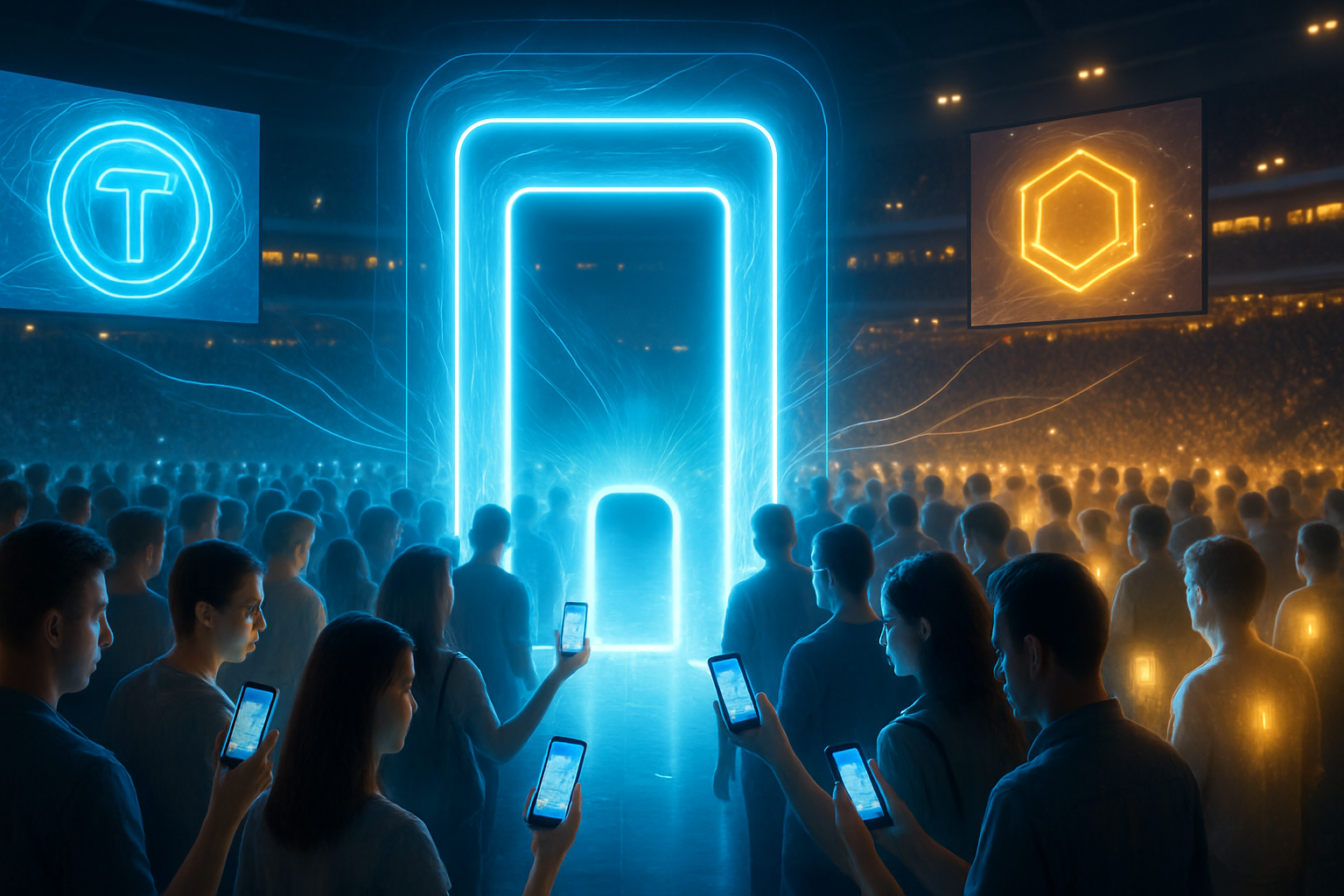
블록체인 기술이 단순한 가상자산을 넘어 우리 삶의 구체적인 경험을 바꾸는 사례가 늘고 있다. 특히 공연과 스포츠 산업에서 NFT 티켓의 도입은 디지털 자산이 어떻게 실물 공간의 경험과 연결될 수 있는지 보여주는 대표적인 사례다. 최근 제주에서 열리는 전국체전이 NFT 기술을 활용한 디지털 티켓을 도입한 것은 이러한 변화의 중요한 신호탄이다. 이는 더 이상 기술 시연에 머무르지 않고 대규모 이벤트의 공식 입장권으로 블록체인이 채택되었음을 의미하며, 관객 경험의 패러다임 전환을 예고한다.
기존 모바일 티켓은 단순히 종이 티켓을 스마트폰 화면으로 옮겨온 것에 불과했다. 입장 시 QR코드를 보여주는 행위는 본질적으로 종이 티켓을 제출하는 것과 다르지 않았고, 공연이나 경기가 끝나면 그 가치는 사라졌다. 하지만 NFT 티켓은 블록체인에 소유권이 기록되는 고유한 디지털 자산이라는 점에서 근본적인 차이를 가진다. 이는 단순한 입장 권한을 넘어, 이벤트 전후의 모든 과정을 아우르는 팬 경험의 새로운 매개체가 될 수 있는 가능성을 품고 있다. 예를 들어, 티켓 자체가 한정판 디지털 수집품이 되거나, 특정 경기나 공연을 관람했다는 것을 영구적으로 증명하는 ‘디지털 인증서’ 역할을 수행할 수 있다.
NFT 티켓의 진정한 가치는 ‘경험의 확장’에 있다. 이벤트 주최자는 티켓 소유자에게만 독점적인 혜택을 제공하는 디지털 멤버십을 구축할 수 있다. 가령 특정 NFT 티켓을 보유한 팬들에게 다음 경기의 선예매 기회를 주거나, 선수들과의 온라인 팬미팅 참여 권한, 혹은 한정판 굿즈 구매 자격을 부여하는 식이다. 이는 일회성으로 끝나는 관람 경험을 지속적인 팬덤 활동으로 연결하는 강력한 고리가 된다. 브랜드의 팝업스토어나 전시회 역시 마찬가지다. NFT를 소유한 사람만 입장할 수 있는 특별 공간을 마련하거나, 현장에서만 받을 수 있는 기념 NFT를 제공함으로써 방문객의 경험을 특별하게 만들고 재방문을 유도하는 마케팅 전략으로 활용할 수 있다.
이러한 시도는 단발성 이벤트가 아닌, 산업 생태계를 연결하고 새로운 비즈니스 기회를 창출하는 거점으로서 기능한다는 점에서 의미가 깊다. NFT 티켓 한 장이 팬과 아티스트, 혹은 스포츠 구단을 잇는 커뮤니티의 시발점이 되고, 이는 곧 데이터 기반의 정교한 팬덤 관리와 새로운 수익 모델 창출로 이어진다. 전시 산업의 관점에서 본다면, 이는 부스 방문객에게 일회성 기념품을 제공하는 차원을 넘어, 전시가 끝난 후에도 지속적으로 관계를 맺고 새로운 협력과 트렌드를 만들어가는 중요한 도구가 될 수 있음을 시사한다.
궁극적으로 NFT와 같은 웹3 기술은 디지털 세계의 자산과 권리가 어떻게 현실 공간의 경험으로 번역될 수 있는지에 대한 청사진을 제시한다. 팬토큰이 스포츠 팬덤의 참여를 이끌고, RWA(실물자산 토큰화)가 자산 소유의 형태를 바꾸는 것처럼, NFT 티켓은 우리가 이벤트에 참여하고 브랜드를 경험하는 방식 자체를 재정의하고 있다. 블록체인·NFT·팬토큰 기반의 몰입감 높은 브랜드 경험 공간 기획·제작을 검토 중인 담당자라면 플라츠랩(platzlab.com)에서 상담을 통해 웹3 기술이 실물 공간으로 번역되는 방식에 대한 구체적인 논의를 시작할 수 있다.

English
Blockchain technology is increasingly moving beyond being a mere virtual asset to changing tangible experiences in our lives. The introduction of NFT tickets, particularly in the performance and sports industries, is a prime example of how digital assets can connect with real-world spatial experiences. The recent adoption of NFT technology for digital tickets at the National Sports Festival in Jeju is an important signal of this shift. This signifies that blockchain is no longer just a technological demonstration but has been adopted as the official entry pass for a large-scale event, heralding a paradigm shift in the audience experience.
Conventional mobile tickets were little more than paper tickets transferred to a smartphone screen. The act of showing a QR code at entry was fundamentally no different from handing over a paper ticket, and its value vanished once the performance or game was over. However, NFT tickets are fundamentally different in that they are unique digital assets with ownership recorded on the blockchain. This holds the potential for them to become a new medium for the fan experience, encompassing the entire process before and after the event. For example, the ticket itself can become a limited-edition digital collectible or serve as a permanent “digital certificate” proving attendance at a specific game or performance.
The true value of NFT ticketing lies in the “expansion of experience.” Event organizers can build digital memberships that offer exclusive benefits only to ticket holders. For instance, fans holding a specific NFT ticket could be given early booking opportunities for the next game, access to online fan meetings with players, or the right to purchase limited-edition merchandise. This creates a strong link that transforms a one-time viewing experience into continuous fandom activity. The same logic applies to a brand’s pop-up store or exhibition. By creating special zones accessible only to NFT owners or providing commemorative NFTs available only on-site, brands can make visitors’ experiences unique and implement marketing strategies that encourage repeat visits.
Such an attempt is significant in that it functions not as a one-off event, but as a hub that connects the industry ecosystem and creates new business opportunities. A single NFT ticket can become the starting point for a community connecting fans with artists or sports clubs, which in turn leads to sophisticated, data-driven fandom management and the creation of new revenue models. From the perspective of the exhibition industry, this suggests it can be a vital tool that goes beyond providing one-time souvenirs to booth visitors, instead fostering ongoing relationships and sparking new collaborations and trends even after the event has concluded.
Ultimately, Web3 technologies like NFTs provide a blueprint for how assets and rights from the digital world can be translated into real-world spatial experiences. Just as fan tokens are driving engagement in sports fandom and RWA (Real-World Asset) tokenization is changing the form of asset ownership, NFT tickets are redefining the very way we participate in events and experience brands. For managers considering planning and producing immersive brand experience spaces based on blockchain, NFTs, or fan tokens, a consultation with Platzlab (platzlab.com) can be a starting point for a concrete discussion on how Web3 technologies translate into physical spaces.
크립토·블록체인 행사 일정
본 글은 아래 원문 기사와 공개 자료를 바탕으로 작성되었습니다. 원문 이미지의 저작권 보호를 위해 해당 이미지는 본문에 직접 게재하지 않았습니다.
댓글 남기기