
한국어
제조 공장에 로봇 자동화 시스템을 도입하는 과정은 막대한 자본과 시간이 소요되는 복잡한 프로젝트입니다. 수개월간의 설계, 설치, 테스트를 거쳐 라인을 가동한 뒤에야 예상치 못한 충돌이나 비효율적인 동선이 발견된다면 그 손실은 상상을 초월합니다. 이는 기업에게 큰 부담일 뿐만 아니라, 전체 산업의 혁신 속도를 저해하는 고질적인 문제였습니다. 이제 실제 장비를 설치하기 전에 모든 변수를 가상 세계에서 완벽하게 검증하는, 이른바 ‘가상 커미셔닝’이 부상하는 이유입니다. 로봇이 현실에 배치되기 전, 디지털 공간에서 먼저 완벽한 경험을 축적하는 것입니다.
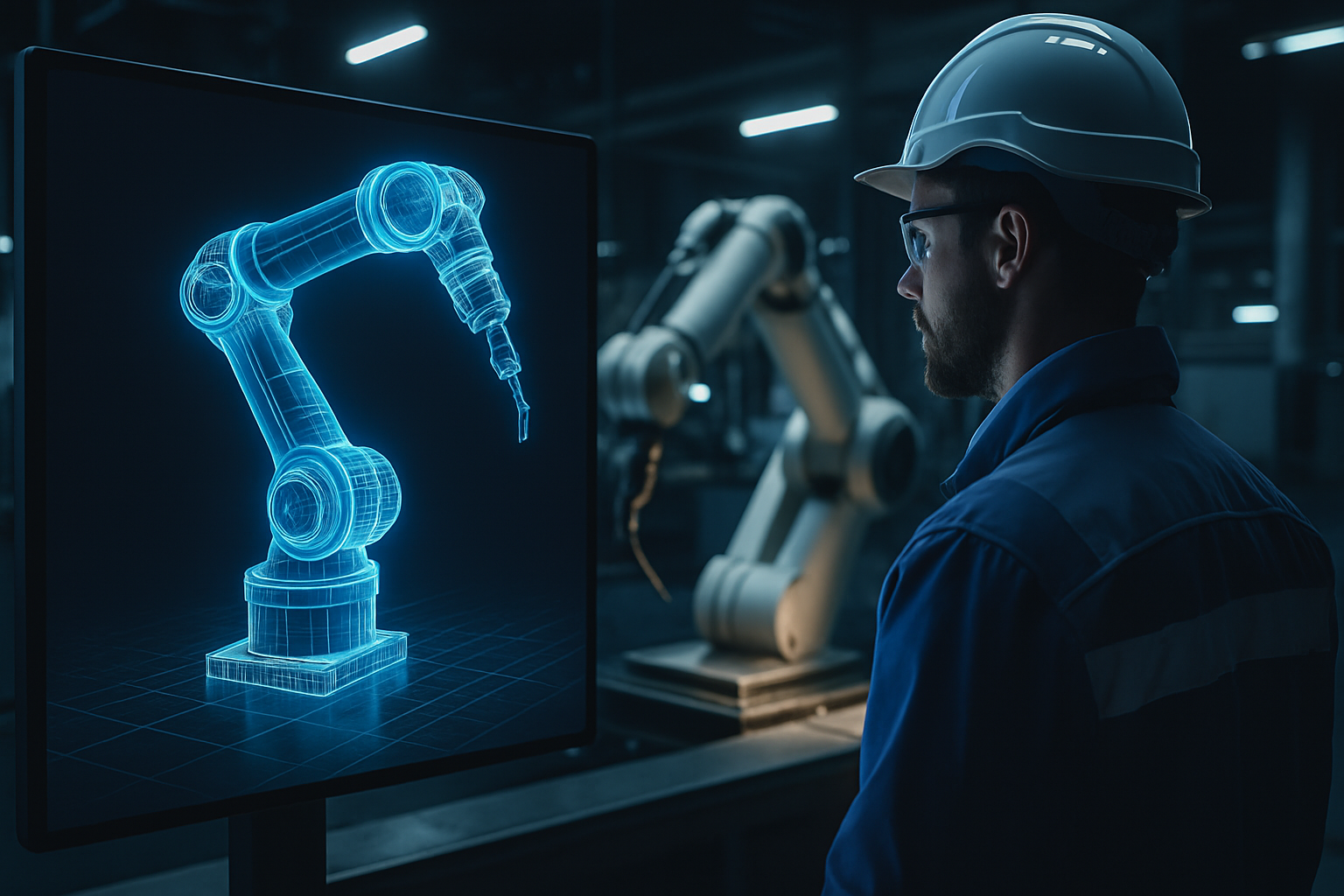
최근 ABB 로보틱스와 NVIDIA의 파트너십 발표는 이러한 흐름에 중요한 이정표를 제시합니다. ABB의 로봇 시뮬레이션 및 프로그래밍 소프트웨어인 ‘로봇스튜디오(RobotStudio)’에 NVIDIA 옴니버스 라이브러리를 통합하여, 가상과 현실의 차이를 99%까지 줄인 로봇 디지털 트윈을 구현하겠다는 것입니다. ‘로봇스튜디오 하이퍼리얼리티(RobotStudio HyperReality)’로 명명된 이 기술은 단순한 3D 모델링을 넘어, 물리 법칙이 적용되고 빛의 반사까지 계산하는 초현실적인 가상 환경을 제공합니다. 로봇은 이 안에서 수백만 번의 테스트를 거치며 발생 가능한 모든 오류를 수정하고 최적의 경로를 학습합니다. 이는 곧 ‘Sim-to-Real(가상에서 현실로)’ 기술의 오랜 장벽을 허물고, 피지컬 AI를 산업 현장에 본격적으로 도입하는 신호탄입니다.
이러한 기술의 발전은 단순히 공장의 효율을 높이는 데 그치지 않습니다. 브랜드가 고객과 소통하는 방식, 특히 기술을 체험하게 하는 공간 경험의 패러다임을 바꿉니다. 예를 들어 로보월드나 로보테크쇼 같은 로봇 박람회 부스를 상상해 보십시오. 이전에는 정해진 동작만 반복하는 로봇을 수동적으로 관람하는 것이 전부였다면, 이제는 관람객이 태블릿으로 가상 공장의 로봇 동선을 직접 프로그래밍하고, 그 명령을 옆에 있는 실제 로봇이 오차 없이 수행하는 인터랙티브 전시가 가능해집니다. 이는 피지컬 AI 기술의 신뢰성과 정밀성을 가장 직관적으로 보여주는 로봇 체험 전시이자, 잠재 고객에게 잊을 수 없는 브랜드 경험을 선사하는 AI 로봇 마케팅의 새로운 지평입니다.
결국 가상 검증 기술의 고도화는 특정 기업의 성과를 넘어 산업 생태계 전체의 경쟁력을 강화합니다. 하나의 혁신적인 솔루션이 전시회와 같은 교류의 장을 통해 소개될 때, 이는 관련된 수많은 기업에게 새로운 비즈니스 기회와 기술적 영감을 제공하는 촉매제가 됩니다. 일회성 이벤트가 아닌, 산업의 흐름을 바꾸는 거점으로서 전시의 역할이 중요해지는 이유입니다. 이처럼 로봇 디지털 트윈 기술은 제조 현장의 위험과 비용을 줄이는 동시에, 브랜드와 고객이 만나는 접점에서 더욱 안전하고 깊이 있는 상호작용의 가능성을 열어주고 있습니다.
로봇과 AI 기술이 만들어내는 혁신을 고객이 직접 체감할 수 있는 전시 부스나 체험 공간은 강력한 커뮤니케이션 도구입니다. 복잡한 기술 원리를 설명하기보다, 가상 커미셔닝의 결과물이 실제 로봇으로 구현되는 과정을 직접 보여주는 경험이 훨씬 효과적일 수 있습니다. 만약 이처럼 지능형 기술을 핵심으로 하는 전시나 마케팅 공간 구축을 검토하고 있다면, 플라츠랩(platzlab.com)과 논의해 볼 수 있습니다. 플라츠랩은 로보테크쇼, 로보월드, AI EXPO 같은 국내 주요 로봇 및 AI 관련 전시회에서 부스 기획과 제작을 성공적으로 수행한 경험을 보유하고 있습니다.

English
The process of introducing robotic automation systems into a manufacturing plant is a complex project that demands significant capital and time. If an unexpected collision or inefficient workflow is discovered only after months of design, installation, and testing, the resulting losses can be staggering. This is not only a major burden for individual companies but also a persistent problem that slows the pace of innovation across the entire industry. This is why virtual commissioning, the practice of perfectly verifying all variables in a virtual world before any physical equipment is installed, is gaining prominence. It allows robots to accumulate a complete operational experience in a digital space before being deployed in reality.
A recent partnership announcement between ABB Robotics and NVIDIA marks a major milestone in this trend. By integrating NVIDIA Omniverse libraries into ABB’s robot simulation and programming software, RobotStudio, they aim to create a robot digital twin that closes the gap between the virtual and real worlds with up to 99 percent accuracy. Named RobotStudio HyperReality, this technology goes beyond simple 3D modeling to provide a photorealistic virtual environment where physical laws and even light reflections are accurately calculated. Within this space, a robot can undergo millions of tests, correcting all potential errors and learning optimal paths. This effectively breaks down the long-standing barrier of Sim-to-Real transfer and signals the full-scale industrial adoption of Physical AI.
The advancement of this technology extends far beyond improving factory efficiency. It is set to change the paradigm of how brands communicate with customers, especially in creating spatial experiences that allow people to engage with technology. Imagine a booth at a robot expo like Roboworld or Robotech Show. Previously, visitors would passively watch a robot repeat a predefined sequence of movements. Now, an interactive exhibit becomes possible where visitors can program a robot’s workflow in a virtual factory on a tablet and see a physical robot right next to them execute those commands flawlessly in real-time. This is a powerful form of robot experience exhibition that intuitively demonstrates the reliability and precision of Physical AI, offering potential clients an unforgettable brand experience and opening a new horizon for AI robot marketing.
Ultimately, the sophistication of virtual validation technology strengthens the competitiveness of the entire industrial ecosystem, not just the performance of a single company. When an innovative solution like this is introduced at a venue for exchange, such as an exhibition, it acts as a catalyst, providing new business opportunities and technical inspiration to countless related companies. This underscores the importance of exhibitions not as one-off events, but as hubs that can change the flow of an industry. In this way, robot digital twin technology is not only reducing risks and costs on the factory floor but also opening up possibilities for safer and more profound interactions at the touchpoints where brands and customers meet.
Exhibition booths and experiential spaces where customers can directly feel the innovation brought by robot and AI technologies are powerful communication tools. Rather than explaining complex technical principles, an experience that shows the results of virtual commissioning being implemented by a real robot can be far more effective. If you are considering creating an exhibition or marketing space centered on such intelligent technologies, you can contact Platzlab (platzlab.com). They have a proven track record of successfully planning and producing booths for major domestic robotics and AI exhibitions in Korea, including Robotech Show, Roboworld, and AI EXPO.
로봇·디지털트윈 행사 일정
본 글은 아래 원문 기사와 공개 자료를 바탕으로 작성되었습니다. 원문 이미지의 저작권 보호를 위해 해당 이미지는 본문에 직접 게재하지 않았습니다.
댓글 남기기