
한국어
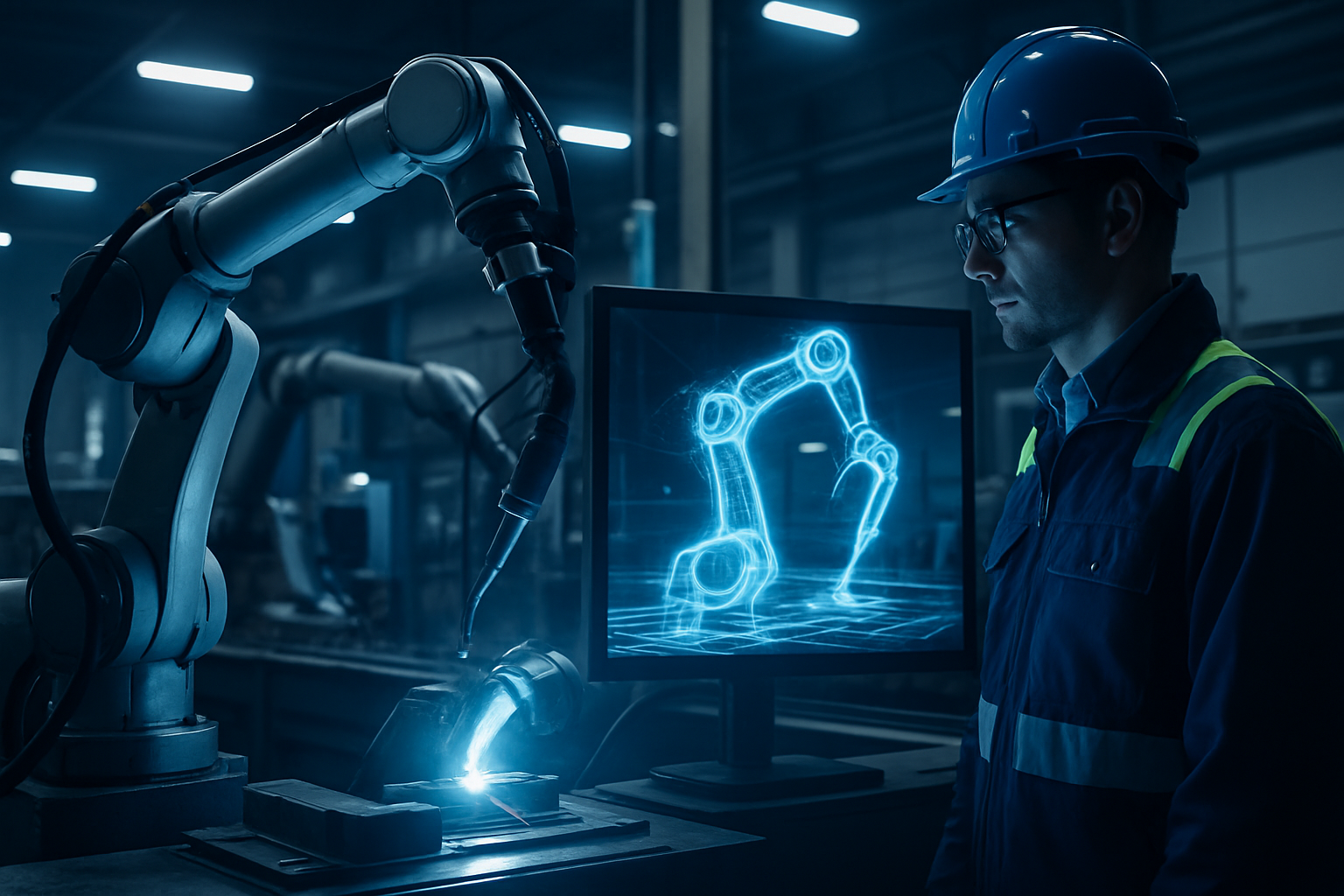
가상 세계에서 완벽하게 작동하던 로봇이 현실 공간에 투입되었을 때 예상치 못한 변수들로 인해 멈춰서는 ‘심투리얼(Sim-to-Real)’의 간극은 로봇 공학의 오랜 과제였습니다. 시뮬레이션 속 데이터와 실제 현장의 물리적 조건 사이의 미세한 차이가 로봇의 성능을 크게 좌우하기 때문입니다. 최근 현대차그룹과 보스턴 다이내믹스가 미국 조지아주 생산 거점에 휴머노이드 로봇 ‘아틀라스’를 위한 전용 훈련 시설을 열었다는 소식은 이 간극을 메우기 위한 중요한 전환점을 시사합니다. 이는 피지컬 AI(Physical AI)가 단순히 알고리즘의 영역을 넘어 실제 공간과 상호작용하며 학습하는 새로운 시대가 열렸음을 의미합니다.
로보틱스 메타플랜트 응용 센터(RMAC)로 명명된 이 공간은 단순한 테스트베드를 넘어섭니다. 실제 자동차 공장의 환경을 그대로 복제하여 로봇이 물류, 부품 서열화 등 구체적인 작업을 반복 훈련하는 곳입니다. 이는 디지털 트윈 환경에서 수없이 진행된 가상 커미셔닝의 결과를 현실에서 검증하고, 예측 불가능한 변수에 대응하는 능력을 길러주는 물리적 훈련장입니다. 로봇이 가상 환경에서 축적한 수많은 합성 데이터를 바탕으로 움직임을 학습한 뒤, 실제 공간에서 발생할 수 있는 빛의 반사, 바닥의 마찰, 부품의 미세한 무게 차이 같은 현실 데이터를 체득하며 스스로를 보정해 나가는 것입니다. 이처럼 가상과 현실을 잇는 운영형 경험 공간의 등장은 피지컬 AI 기술의 성숙도를 보여주는 상징적인 사례입니다.
이러한 흐름은 전시 산업에도 깊은 영감을 줍니다. 로보월드나 로보테크쇼 같은 산업 전시회는 개별 로봇의 기술적 성능을 선보이는 것을 넘어, 이제는 로봇이 어떻게 실제 산업 생태계에 통합되고 운영되는지를 보여주는 경험의 장으로 진화하고 있습니다. 가령, 한쪽에서는 고도화된 로봇 시뮬레이션 기술을 시연하고, 다른 한쪽에서는 실제 훈련 공간처럼 꾸며진 부스에서 로봇이 특정 과업을 수행하며 데이터를 축적하는 모습을 보여줄 수 있습니다. 이는 전시회가 일회성 홍보의 장이 아니라, 새로운 기술이 산업 현장과 만나 비즈니스 기회를 창출하고 다양한 파트너십을 촉발하는 핵심 거점임을 증명하는 방식입니다.
결국 피지컬 AI 시대의 핵심은 디지털 정보와 물리적 경험의 완벽한 결합에 있습니다. 보스턴 다이내믹스의 훈련 시설은 로봇이 실제 환경에서 수집한 데이터를 통해 디지털 트윈을 업데이트하고, 더 정교해진 가상 시뮬레이션을 통해 학습 효율을 높이는 선순환 구조의 출발점입니다. 이러한 접근은 자동차 제조를 넘어 물류, 항공우주, 반도체 등 다양한 산업으로 확산될 잠재력을 가지고 있습니다. 앞으로 브랜드가 고객에게 AI와 로봇 기술을 소개하는 방식 또한 단순한 스펙 설명이 아닌, 기술이 적용될 실제 공간과 시나리오를 입체적으로 경험하게 하는 방향으로 나아갈 것입니다.
이처럼 로봇과 AI 기술의 가능성을 잠재 고객에게 가장 효과적으로 전달하는 방법은 기술이 구현될 공간을 직접 체험하게 하는 것입니다. 로봇 기술을 활용한 전시 부스나 브랜드의 기술력을 보여주는 체험 공간, 팝업 스토어 구축을 검토하고 있다면 공간 경험 설계 전문가의 도움이 필요할 수 있습니다. 플라츠랩은 로보테크쇼, 로보월드, AI EXPO 등 국내 주요 기술 전시회에서 부스 기획 및 제작을 성공적으로 수행한 경험을 바탕으로, 복잡한 기술의 핵심 가치를 매력적인 공간 경험으로 구현하는 솔루션을 제공합니다.

English
The ‘sim-to-real’ gap, where a robot that performs perfectly in a virtual world falters when deployed into a physical space, has long been a challenge in robotics. Subtle differences between simulation data and real-world physical conditions can significantly impact a robot’s performance. The recent news that Hyundai Motor Group and Boston Dynamics have opened a dedicated training facility for the ‘Atlas’ humanoid robot at their Georgia production hub marks a critical turning point in bridging this gap. It signifies the dawn of a new era where Physical AI is moving beyond algorithms to learn through direct interaction with physical spaces.
Named the Robotics Metaplant Application Center (RMAC), this facility is more than just a testbed. It is a physical training ground that replicates a real automotive factory environment, allowing robots to repeatedly practice specific tasks like logistics and parts sequencing. This is where the results of countless virtual commissioning sessions in a digital twin are validated against reality, and where the robot hones its ability to respond to unpredictable variables. After learning movements based on vast amounts of synthetic data in a virtual environment, the robot internalizes real-world data—such as light reflections, floor friction, and minute weight differences in parts—to self-correct. The emergence of such an operational experience space, connecting the virtual and the real, is a symbolic case study in the maturation of Physical AI technology.
This trend offers profound inspiration for the exhibition industry. Events like RoboWorld or RoboTech Show are evolving from showcases of individual robot specifications into platforms for experiencing how robots integrate into and operate within real industrial ecosystems. For instance, one booth might demonstrate advanced robot simulation technology, while another, designed as a mock training facility, could show robots performing tasks and accumulating data. This approach affirms that exhibitions are not just one-off promotional events, but crucial hubs where new technologies meet industry needs, sparking business opportunities and fostering diverse partnerships.
Ultimately, the core of the Physical AI era lies in the seamless fusion of digital information and physical experience. The Boston Dynamics training facility is the starting point for a virtuous cycle where data collected by robots in the real world updates the digital twin, and more refined virtual simulations, in turn, enhance learning efficiency. This approach has the potential to expand beyond automotive manufacturing into various sectors, including logistics, aerospace, and semiconductors. In the future, how brands introduce AI and robotics to customers will also shift from simple spec sheets to immersive experiences that allow them to understand the technology within the context of the actual spaces and scenarios where it will be applied.
Indeed, the most effective way to convey the potential of robot and AI technology to potential clients is to let them directly experience the space where it will be implemented. If you are considering creating an exhibition booth featuring robotic technology or an experiential space to showcase your brand’s technical prowess, the expertise of a spatial experience design professional can be invaluable. Platz-lab has a proven track record of successfully planning and producing booths for major domestic tech exhibitions such as RoboTech Show, RoboWorld, and AI EXPO, and offers solutions that transform complex technical values into compelling spatial experiences.
로봇·디지털트윈 행사 일정
본 글은 아래 원문 기사와 공개 자료를 바탕으로 작성되었습니다. 원문 이미지의 저작권 보호를 위해 해당 이미지는 본문에 직접 게재하지 않았습니다.
댓글 남기기