
한국어
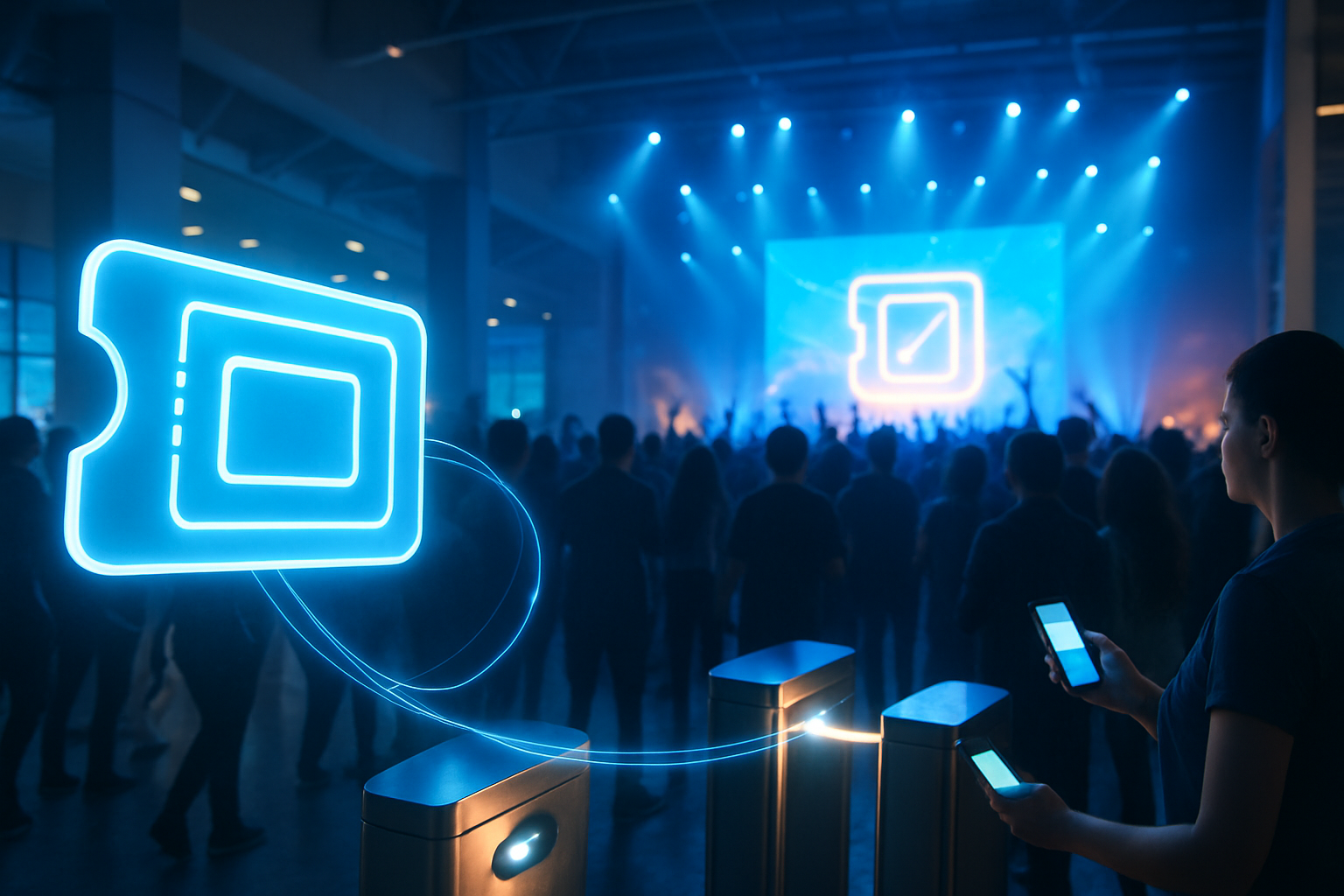
디지털 자산과 물리적 공간의 경계가 빠르게 허물어지면서, 브랜드와 소비자가 관계를 맺는 방식 또한 근본적으로 변화하고 있습니다. 과거 온라인 수집품 정도로 여겨졌던 블록체인 기반의 NFT나 팬토큰은 이제 특정 공간에 입장하고, 특별한 경험을 누리며, 브랜드와 상호작용하는 열쇠로 진화하고 있습니다. 이러한 변화의 중심에는 디지털 소유권을 현실 세계의 참여와 연결하는 크립토 브랜드 경험, 즉 CX(Crypto Experience)가 자리 잡고 있습니다. 특히 공연 및 이벤트 산업에서 NFT 티켓의 도입은 이러한 흐름을 가장 명확하게 보여주는 사례입니다.
NFT 티켓은 블록체인 기술을 활용해 티켓의 고유성과 소유권을 증명하는 디지털 인증서입니다. 가장 직접적인 장점은 위조 및 암표 거래 방지에 있습니다. 모든 거래 기록이 투명하게 남아 부정 판매를 원천적으로 차단하기 용이하며, 이를 통해 팬들은 안전하게 티켓을 확보하고 아티스트는 공정한 시장을 유지할 수 있습니다. 하지만 NFT 티켓의 진정한 가치는 단순히 보안 강화를 넘어섭니다. 티켓 자체가 하나의 디지털 멤버십이 되어, 공연이 끝난 후에도 소유자에게 미공개 영상, 독점 굿즈 구매 권한, 향후 이벤트 우선 참여권 등 지속적인 혜택을 제공하는 도구로 활용될 수 있습니다. 이는 일회성 관람객을 충성도 높은 팬으로 전환시키는 강력한 NFT 마케팅 사례가 됩니다.
이러한 접근은 스포츠 산업의 팬토큰 활용 사례와도 맥을 같이 합니다. 팬토큰은 특정 팀을 응원하는 팬들이 소유하는 디지털 자산으로, 단순한 상징을 넘어 팬덤을 실제적인 영향력과 경험으로 바꿔줍니다. 팬토큰 보유자는 유니폼 디자인 투표에 참여하거나, 선수와의 만남 이벤트에 응모하고, 전용 공간에 출입하는 등 특별한 권한을 누립니다. 이는 디지털 자산이 어떻게 물리적 공간 안에서 팬들의 소속감과 유대감을 극대화하는지를 보여줍니다. 이처럼 웹3 팬 경험은 온라인상의 팬덤 활동을 경기장이나 브랜드 팝업스토어 같은 오프라인 거점으로 자연스럽게 확장시키는 교두보 역할을 합니다.
이러한 혁신적인 시도들이 업계 전시회나 컨퍼런스를 통해 소개될 때, 그 파급력은 개별 브랜드를 넘어 산업 생태계 전반으로 확산됩니다. 특정 브랜드의 성공적인 Web3 팝업스토어 기획은 다른 기업들에게 새로운 영감을 주며, 기술 기업과 공간 기획자, 브랜드 마케터 간의 예기치 못한 협력을 촉발하는 계기가 됩니다. 이처럼 전시 산업은 단순히 결과물을 보여주는 장을 넘어, 새로운 비즈니스 모델과 트렌드를 탄생시키는 중요한 거점으로서 기능하며 산업의 지속적인 성장을 이끌어갑니다.
결국 디지털 자산을 활용한 오프라인 경험의 핵심은 기술 자체가 아닌, 그것이 어떻게 소비자의 시간과 공간을 더 가치 있게 만드느냐에 달려있습니다. 디지털 지갑이 신분증이자 멤버십 카드, 그리고 티켓이 되는 세상에서 브랜드는 더 이상 제품을 판매하는 데 그치지 않고, 총체적인 경험의 여정을 설계해야 합니다. 블록체인·NFT·팬토큰 기반 브랜드 경험 공간 기획·제작을 검토 중인 담당자라면 플라츠랩(platzlab.com)에서 상담 받을 수 있습니다. 웹3 기술이 실물 공간으로 번역되는 방식에 대한 구체적인 논의가 가능합니다.

English
The boundary between digital assets and physical spaces is rapidly blurring, fundamentally changing how brands and consumers interact. Blockchain-based assets like NFTs and fan tokens, once considered mere online collectibles, have evolved into keys that grant access to specific places, unlock exclusive privileges, and facilitate interaction with brands. At the heart of this transformation is the Crypto Experience (CX), which connects digital ownership to real-world engagement. The adoption of NFT ticketing in the concert and event industry is a prime example of this trend.
An NFT ticket is a digital certificate that verifies the uniqueness and ownership of a ticket using blockchain technology. Its most immediate advantage is the prevention of counterfeiting and ticket scalping. All transaction records are transparently stored, making it easier to block fraudulent sales, which allows fans to secure tickets safely and artists to maintain a fair market. However, the true value of NFT ticketing extends beyond enhanced security. The ticket itself can function as a form of digital membership, offering ongoing benefits to the holder even after the event, such as unreleased video content, exclusive merchandise access, or priority for future events. This serves as a powerful NFT marketing case for converting one-time attendees into loyal fans.
This approach aligns closely with fan token use cases in the sports industry. A fan token is a digital asset owned by supporters of a specific team, transforming fandom from a passive symbol into tangible influence and experience. Fan token holders can enjoy special privileges like voting on jersey designs, entering meet-and-greet contests with players, or accessing exclusive lounges. This demonstrates how a digital asset can maximize a fan’s sense of belonging and community within a physical space. In this way, the Web3 fan experience acts as a bridge, naturally extending online fandom activities into offline hubs like stadiums or brand pop-up stores.
When these innovative initiatives are showcased at industry exhibitions and conferences, their impact ripples beyond individual brands to the entire ecosystem. One brand’s successful Web3 pop-up store can inspire others, sparking unexpected collaborations between technology firms, spatial designers, and brand marketers. Thus, an exhibition is more than just a venue for displaying finished products; it functions as a crucial hub that gives birth to new business models and trends, driving the industry’s sustained growth.
Ultimately, the core of offline experiences powered by digital assets is not the technology itself, but how it makes a consumer’s time and space more valuable. In a world where a digital wallet serves as an ID, a membership card, and a ticket, brands must move beyond simply selling products to designing holistic experiential journeys. For managers considering the planning and production of brand experience spaces based on blockchain, NFTs, or fan tokens, a consultation at platzlab.com can be a starting point. Concrete discussions on how Web3 technology can be translated into physical spaces are possible.
크립토·블록체인 행사 일정
본 글은 아래 원문 기사와 공개 자료를 바탕으로 작성되었습니다. 원문 이미지의 저작권 보호를 위해 해당 이미지는 본문에 직접 게재하지 않았습니다.
댓글 남기기