
한국어
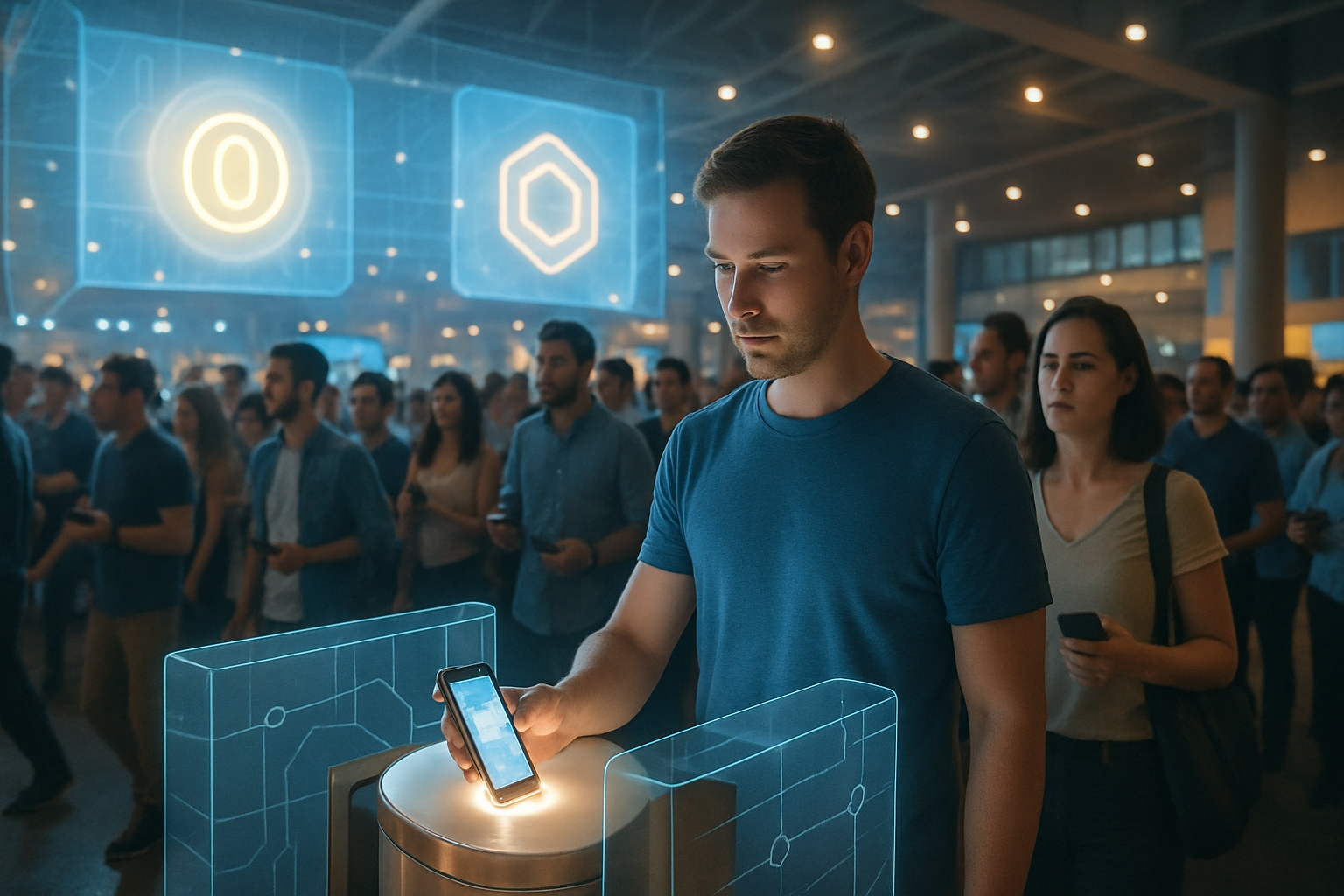
최근 국내 금융권에서 진행된 원화 연동 스테이블코인 기술검증(PoC)은 블록체인 기술이 더 이상 추상적인 개념이 아니라 우리 일상 공간 속으로 들어오고 있음을 보여주는 명확한 신호다. 특히 한 금융그룹이 커피전문점의 오프라인 키오스크에서 QR코드로 결제하는 시나리오를 실증한 사례는 CX(Crypto Experience) 관점에서 중요한 시사점을 던진다. 이는 디지털 자산이 복잡한 과정 없이 소비자의 실제 공간 경험으로 자연스럽게 번역될 수 있다는 가능성을 증명한 것이다. 소비자는 별도의 암호화폐 지갑 앱을 설치하거나 블록체인 기술을 이해할 필요 없이, 기존에 사용하던 간편결제 방식과 거의 동일한 경험을 통해 디지털 자산을 사용했다.
이러한 접근 방식의 핵심은 기술을 전면에 내세우지 않고 사용자 경험 뒤편으로 감추는 데 있다. 브랜드의 오프라인 공간이나 팝업스토어에서 가장 중요한 것은 고객이 브랜드 철학에 몰입하고 불편함 없이 새로운 경험을 즐기는 것이다. 만약 고객에게 지갑 설치, 시드 구문 관리, 가스비 개념 이해 등을 요구한다면 아무리 혁신적인 기술이라도 외면받을 수밖에 없다. 이번 사례는 소비자가 익숙한 QR코드 인터페이스를 유지하면서, 결제와 정산이라는 내부 구조에만 블록체인을 접목함으로써 기술 도입의 심리적, 물리적 장벽을 크게 낮췄다는 점에서 주목할 만하다.
이러한 매끄러운 결합은 일시적인 이벤트 공간을 넘어 산업 생태계를 연결하는 거점으로서 기능할 수 있다. 예를 들어, 특정 브랜드의 멤버십 NFT를 보유한 고객이 팝업스토어에 방문해 특별한 할인 혜택을 받고, 그 경험이 블록체인에 기록되어 향후 다른 제휴 브랜드 공간에서도 연속적인 혜택으로 이어지는 그림을 그릴 수 있다. 이는 일회성 방문으로 끝나는 것이 아니라, 데이터를 통해 브랜드와 고객, 더 나아가 브랜드와 브랜드 사이의 지속적인 관계를 구축하는 새로운 비즈니스 모델의 출발점이 된다. 전시나 팝업 같은 이벤트가 새로운 협력과 트렌드를 촉발하는 플랫폼 역할을 하는 것과 같은 맥락이다.
궁극적으로 디지털 자산과 물리적 공간의 연결은 브랜드 경험을 한 차원 높은 수준으로 끌어올리는 열쇠가 될 것이다. 팬토큰을 활용해 스포츠 팬덤을 경기장 안팎의 경험으로 확장하거나, NFT 티켓으로 공연장 입장뿐만 아니라 아티스트와 팬 사이의 장기적인 관계를 형성하는 것처럼, 모든 것은 ‘공간 안에서의 체험’으로 귀결된다. 기술은 그 자체로 목적이 아니라, 고객에게 더 깊고 풍부한 브랜드 세계관을 전달하기 위한 도구다. 블록체인은 투명하고 안전한 기록을 통해 이러한 경험의 신뢰도를 높이고, 그 가치를 영속적으로 보존하는 역할을 수행한다.
블록체인 기술이 더 이상 낯선 구호가 아닌 실제 고객 경험의 일부로 스며들고 있다. 성공적인 Web3 공간 경험을 위해서는 기술 자체보다 그것이 고객의 여정 안에서 어떻게 보이지 않게, 그러나 효과적으로 작동할지에 대한 깊은 고민이 필요하다. 블록체인, NFT, 팬토큰 기반의 브랜드 경험 공간 기획이나 제작을 검토 중인 담당자라면 플라츠랩(platzlab.com)에서 상담을 통해 웹3 기술이 실물 공간으로 번역되는 방식에 대한 구체적인 논의를 시작할 수 있다.

English
A recent Proof of Concept (PoC) for a Won-pegged stablecoin by a major Korean financial group sends a clear signal that blockchain technology is no longer an abstract concept but is entering our everyday spaces. The demonstration, which involved a user paying via a QR code at an offline kiosk in a coffee shop, offers significant implications from a Crypto Experience (CX) perspective. It proves the potential for digital assets to be naturally translated into a consumer’s real-world spatial experience without a complex process. Consumers used a digital asset through an experience almost identical to existing mobile payment methods, without needing to install a separate crypto wallet app or understand blockchain technology.
The core of this approach lies in hiding the technology behind the user experience rather than showcasing it. In a brand’s offline space or pop-up store, the priority is for customers to immerse themselves in the brand philosophy and enjoy a new experience without friction. If customers are required to install a wallet, manage seed phrases, or understand the concept of gas fees, even the most innovative technology will likely be ignored. This case is noteworthy because it significantly lowered the psychological and physical barriers to technology adoption by maintaining the familiar QR code interface for the consumer, while integrating blockchain only into the backend structure for payment and settlement.
This seamless integration can function beyond temporary event spaces, acting as a hub that connects entire industry ecosystems. For instance, one can envision a scenario where a customer holding a brand’s membership NFT visits a pop-up store to receive exclusive benefits. This interaction is recorded on the blockchain, leading to continuous perks in other affiliated brand spaces in the future. This transforms a one-time visit into a new business model that builds lasting relationships between the brand and its customers, and even between different brands, through data. It aligns with the role of exhibitions and pop-ups as platforms that spark new collaborations and trends.
Ultimately, the connection between digital assets and physical spaces will be key to elevating brand experiences to the next level. Whether it’s using fan tokens to extend sports fandom into experiences both inside and outside the stadium, or using NFT tickets not just for concert admission but to form long-term relationships between artists and fans, everything comes down to the ‘experience within the space.’ Technology is not an end in itself but a tool to deliver a deeper, richer brand universe to the customer. Blockchain plays the role of enhancing the reliability of these experiences and preserving their value in perpetuity through transparent and secure records.
Blockchain technology is seeping into the fabric of the customer experience, becoming more than just unfamiliar jargon. For a successful Web3 spatial experience, deep consideration is needed not on the technology itself, but on how it can operate invisibly yet effectively within the customer’s journey. If you are a manager considering planning or producing a brand experience space based on blockchain, NFTs, or fan tokens, you can initiate a detailed discussion on how Web3 technology translates into physical spaces by consulting with platzlab.com.
크립토·블록체인 행사 일정
본 글은 아래 원문 기사와 공개 자료를 바탕으로 작성되었습니다. 원문 이미지의 저작권 보호를 위해 해당 이미지는 본문에 직접 게재하지 않았습니다.
댓글 남기기