
한국어
로봇이 생산 현장에 투입되기 전, 가상의 공간에서 모든 시나리오를 완벽하게 학습하고 현실에 적용되는 세상을 상상해 본 적 있는가? 최근 현대모비스가 ‘M-Sphere 2026’ 전시회에서 공개한 피지컬 AI 기반 로봇 티칭 기술이 바로 그 상상을 현실로 만들고 있다. 이 기술은 생산 라인을 가상 환경에 그대로 복제한 디지털 트윈 속에서 로봇팔의 움직임을 시뮬레이션하고 학습시키는 것을 핵심으로 한다. 설비나 제품이 바뀌어 작업 내용이 변경되어도, 단 2~4시간 만에 새로운 작업을 로봇에게 가르칠 수 있다는 점은 놀라운 혁신이다. 이는 제조 현장의 유연성과 효율성을 극대화하는 열쇠가 될 수 있다.
과거 로봇 도입의 가장 큰 장벽은 복잡한 프로그래밍과 높은 초기 비용, 그리고 실제 현장에서 발생할 수 있는 수많은 변수였다. 로봇의 동선을 짜고, 다른 설비와의 충돌을 피하며, 안전성을 검증하는 과정은 오랜 시간과 전문 인력을 요구했다. 하지만 가상 커미셔닝, 즉 디지털 트윈 환경에서 로봇의 모든 움직임을 사전에 검증하는 접근법은 이 모든 과정을 ‘제로 리스크’에 가깝게 만든다. 현대모비스가 울산 공장에서 시범 운영 중인 3D 비전 운송 로봇처럼, 가상 환경에서 경로를 익힌 로봇은 실제 현장에서 정확하게 부품을 찾아 조립 라인까지 운반한다. 이는 단순한 자동화를 넘어, 예측 가능하고 안정적인 운영형 경험을 제공하는 것이다.
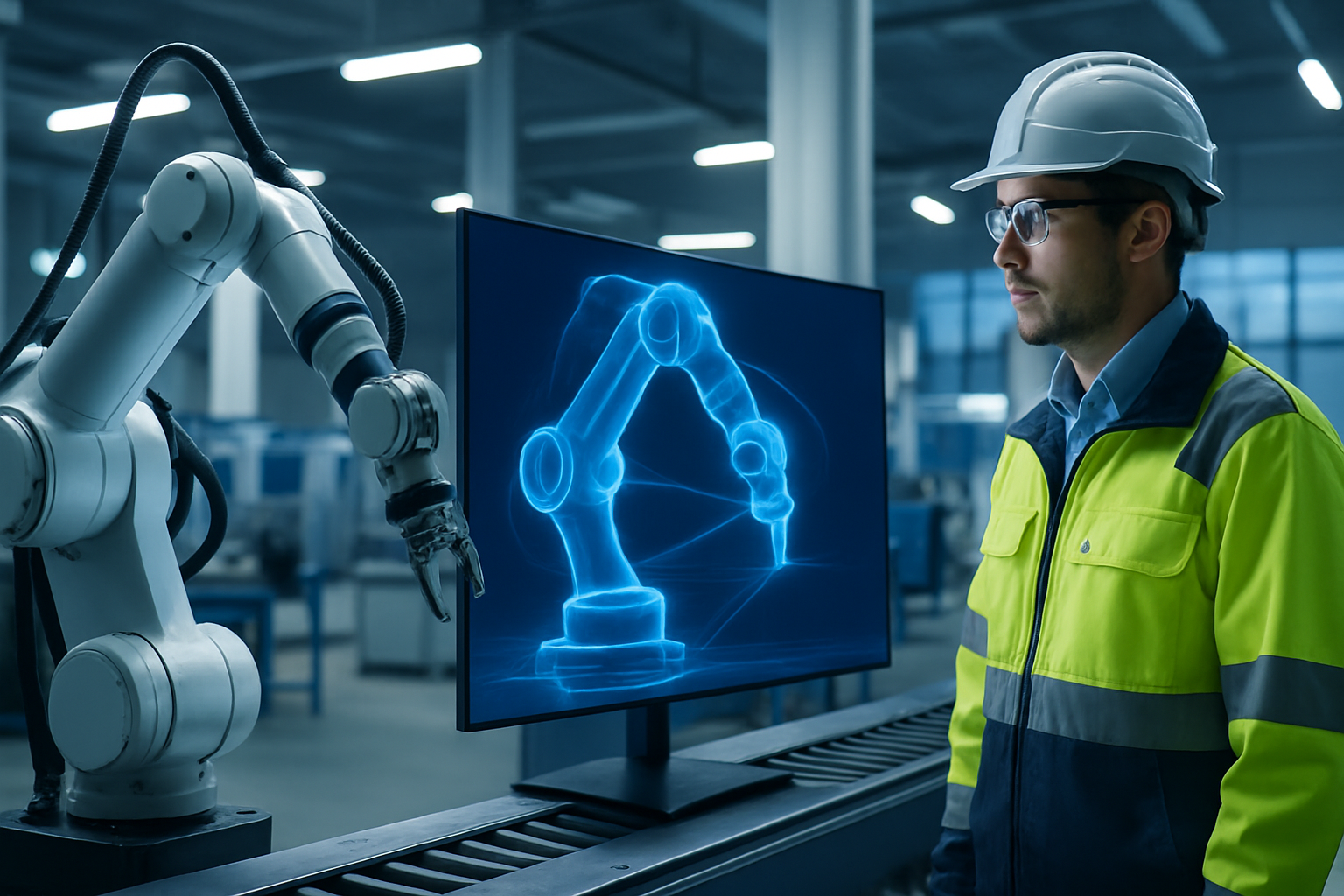
이러한 기술의 발전은 전시 산업에도 깊은 영감을 준다. 로보월드나 로보테크쇼 같은 로봇 박람회는 더 이상 단순한 제품 소개의 장이 아니다. 이곳은 잠재 고객과 파트너들이 로봇이 만들어낼 미래의 운영 경험을 미리 체험하는 공간으로 진화하고 있다. 예를 들어, 한쪽에서는 실제 로봇이 정교한 작업을 수행하고, 다른 한쪽의 대형 스크린에서는 그 로봇의 디지털 트윈이 수만 가지 시뮬레이션을 거치며 최적의 경로를 찾아내는 과정을 실시간으로 보여주는 식이다. 관람객은 눈앞의 물리적 움직임과 데이터 기반의 가상 검증 과정을 동시에 보며 기술에 대한 신뢰를 쌓고, 자신의 비즈니스에 어떻게 적용할지 구체적으로 상상하게 된다.
결국 피지컬 AI와 디지털 트윈 기술의 핵심은 ‘시행착오의 가상화’에 있다. 현실에서 발생할 수 있는 값비싼 실수들을 가상 세계에서 미리 겪고 학습함으로써, 로봇은 훨씬 더 빠르고 안전하게 현장에 적응할 수 있다. 이러한 기술 흐름은 일시적인 트렌드를 넘어 산업 생태계 전반의 패러다임을 바꾸고 있다. 특히, 새로운 비즈니스와 협력 모델을 촉발하는 전시회와 같은 플랫폼은 기술 공급자와 수요자를 연결하며 혁신의 확산을 가속하는 중요한 역할을 담당한다. 로봇과 AI 기술을 중심으로 한 전시 부스나 체험 공간은 기술의 가능성을 가장 효과적으로 전달하는 무대가 될 것이다. 만약 로보테크쇼, 로보월드, AI EXPO 같은 국내 전시회에서 이러한 첨단 기술을 선보일 부스 기획이나 공간 제작을 검토하고 있다면, 다수의 관련 경험을 보유한 플라츠랩(platzlab.com)과 같은 전문 파트너와 논의해 볼 수 있다.

English
Have you ever imagined a world where a robot perfectly learns every possible scenario in a virtual space before being deployed to a physical production site? Hyundai Mobis recently turned this imagination into reality at its ‘M-Sphere 2026’ exhibition, unveiling a Physical AI-based robot teaching technology. At its core, this technology involves simulating and training a robot arm’s movements within a digital twin—an exact virtual replica of the production line. What makes this a remarkable innovation is its ability to teach the robot a new task in just two to four hours whenever facilities or products change. This could be the key to maximizing flexibility and efficiency on the manufacturing floor.
In the past, major barriers to robot adoption included complex programming, high initial costs, and the countless variables of the real world. Designing a robot’s path, avoiding collisions with other equipment, and verifying safety protocols required extensive time and expert personnel. However, the virtual commissioning approach—validating all of a robot’s movements in a digital twin environment beforehand—makes this entire process nearly risk-free. Like the 3D vision transport robot Hyundai Mobis is piloting at its Ulsan plant, a robot that learns its route in a virtual space can accurately locate parts and deliver them to the assembly line in the real world. This goes beyond simple automation; it provides a predictable and stable operational experience.
This technological advancement also offers profound inspiration for the exhibition industry. Robot expos like RoboWorld or Robotech Show are no longer just venues for product introductions. They are evolving into spaces where potential clients and partners can preview the future operational experiences that robots will create. For instance, an exhibit could feature a physical robot performing a delicate task on one side, while a large screen on the other displays its digital twin running through tens of thousands of simulations in real-time to find the optimal path. Visitors witness the physical movement and the data-driven virtual verification process simultaneously, building trust in the technology and vividly imagining its application to their own businesses.
Ultimately, the essence of Physical AI and digital twin technology lies in the ‘virtualization of trial and error.’ By experiencing and learning from costly mistakes in the virtual world first, robots can adapt to real-world sites much faster and more safely. This technological trend is more than a fleeting fad; it is shifting the paradigm of the entire industrial ecosystem. In particular, platforms like exhibitions, which spark new business and collaborative models, play a crucial role in accelerating the spread of innovation by connecting technology suppliers with demand. An exhibition booth or experiential space centered on robotics and AI becomes the most effective stage for communicating the potential of these technologies. If you are considering planning and producing a booth to showcase such advanced technologies at domestic Korean exhibitions like Robotech Show, RoboWorld, or AI EXPO, you could discuss it with an experienced partner like Platzlab (platzlab.com), which has a proven track record in the field.
로봇·디지털트윈 행사 일정
본 글은 아래 원문 기사와 공개 자료를 바탕으로 작성되었습니다. 원문 이미지의 저작권 보호를 위해 해당 이미지는 본문에 직접 게재하지 않았습니다.
댓글 남기기