
한국어
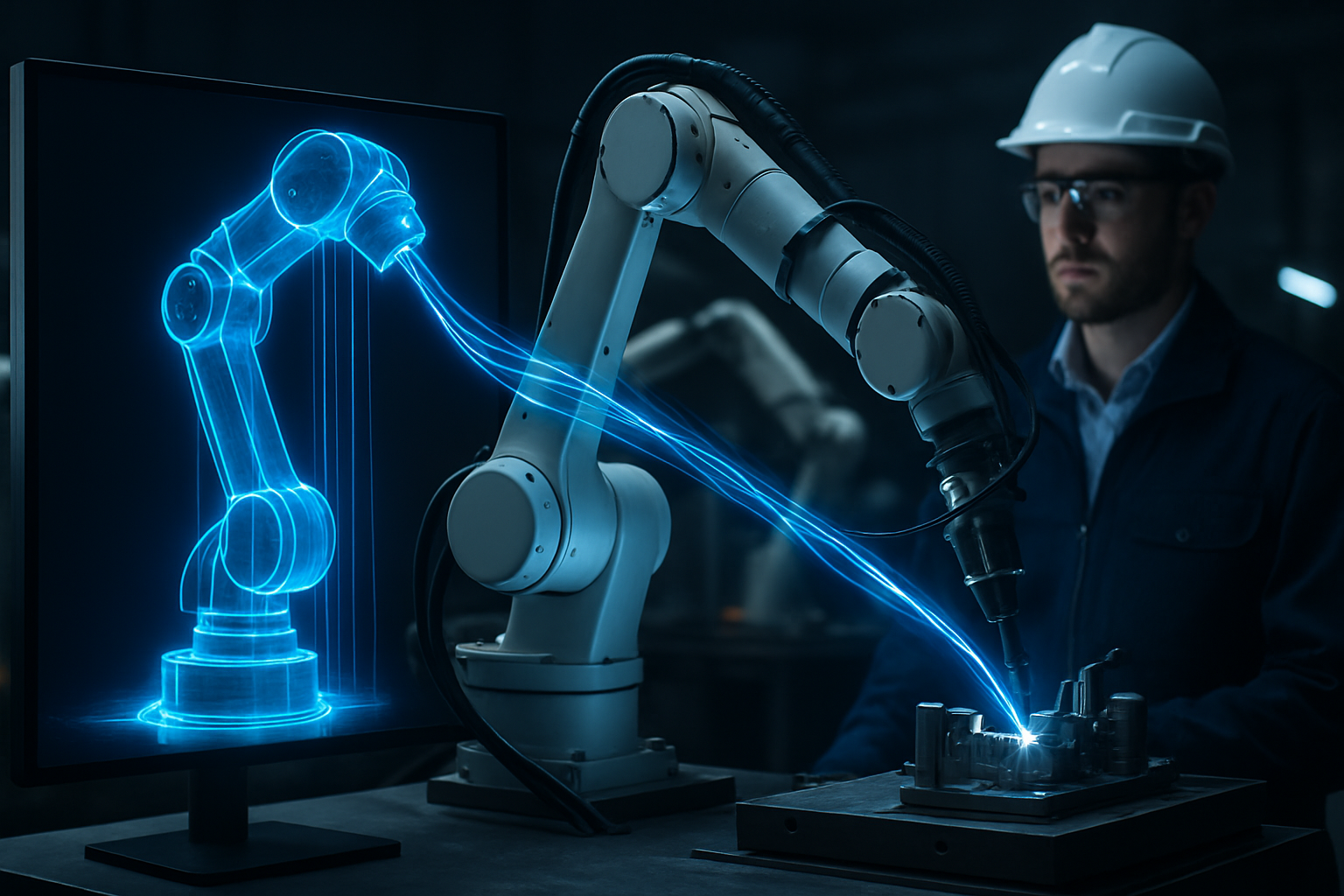
로봇이 물리적 세계를 이해하고 상호작용하는 능력, 즉 피지컬 AI는 더 이상 먼 미래의 이야기가 아닙니다. 최근 AI 기술의 발전이 가상 세계를 넘어 현실 세계로 확장되면서, 로봇을 실제 산업 현장에 투입하기 전 가상의 디지털 트윈 환경에서 먼저 훈련하고 검증하는 ‘심투리얼(Sim-to-Real)’ 접근법이 핵심으로 떠오르고 있습니다. 이는 단순히 시뮬레이션을 넘어, 실제와 거의 동일한 가상 환경에서 발생할 수 있는 수만 가지 변수를 미리 테스트하고 최적의 작업 경로를 찾아내는 과정입니다. 로봇의 움직임, 충돌 가능성, 다른 장비와의 협업 동선 등을 사전에 검증함으로써, 실제 현장에서 발생할 수 있는 위험과 비용을 획기적으로 줄일 수 있습니다.
이러한 흐름 속에서 최근 국내 한 피지컬 AI 기업이 글로벌 로봇 제조사 ABB, AI 반도체 선두주자 엔비디아가 공동 발행한 백서에 주요 기여자로 참여해 주목받고 있습니다. 이들의 협력은 제조업 AI 자동화의 가장 큰 난제였던 ‘현장 데이터’ 부족 문제를 해결하는 데 초점을 맞추고 있습니다. 생성형 AI가 인터넷의 방대한 데이터를 학습한 것과 달리, 산업용 로봇은 공장의 미묘한 조명 변화, 부품의 오차, 표면 재질 등 예측 불가능한 물리적 변수까지 학습해야 합니다. 하지만 실제 생산 라인을 멈추고 이런 예외 상황 데이터를 수집하는 것은 거의 불가능에 가깝습니다.
이 문제에 대한 핵심 해법으로 제시된 것이 바로 ‘리얼 투 심 투 리얼(Real-to-Sim-to-Real)’이라는 개념입니다. 실제 공장 환경과 로봇의 움직임을 정밀하게 스캔해 고충실도의 디지털 트윈, 즉 가상 공장을 구축합니다(Real-to-Sim). 이후 이 가상 공간에서 수많은 시뮬레이션을 통해 로봇의 AI 모델을 안전하고 빠르게 학습시킨 뒤, 충분히 검증된 모델을 다시 실제 로봇에 적용하는(Sim-to-Real) 선순환 구조입니다. 이는 로봇에게 현실과 거의 흡사한 ‘가상 훈련장’을 제공해, 물리적 제약 없이 수많은 경험을 축적하게 만드는 혁신적인 접근법입니다.
이러한 기술적 진보는 전시 산업에도 깊은 영감을 줍니다. 로봇 기술 박람회나 기업 홍보 부스는 단순히 완성된 로봇을 보여주는 것을 넘어, 로봇이 어떻게 학습하고 똑똑해지는지를 경험시키는 공간으로 진화할 수 있습니다. 예를 들어, 관람객이 실제 로봇팔을 움직여 특정 작업을 수행하면, 그 움직임이 실시간으로 디지털 트윈에 반영되고, AI가 이 데이터를 기반으로 즉석에서 수천 번의 시뮬레이션을 거쳐 최적의 동선을 찾아내는 과정을 대형 스크린에 시각화해 보여줄 수 있습니다. 이는 기술의 원리를 직관적으로 전달하는 동시에, 잠재 고객에게 기술 도입의 효과를 강력하게 어필하는 몰입형 경험을 제공합니다.
결국 피지컬 AI와 디지털 트윈 기술의 발전은 산업 현장의 효율성을 높이는 것을 넘어, 기술과 대중이 만나는 접점을 더욱 풍부하게 만들고 있습니다. 로보월드나 AI EXPO 같은 전시회는 이러한 신기술이 산업 생태계 전반에 확산되고 새로운 비즈니스 기회를 창출하는 중요한 거점 역할을 합니다. 로봇 기술을 활용한 체험형 전시 부스나 브랜딩 공간 구축을 고려하고 있다면, 기술의 원리를 방문객의 언어로 해석하고 경험으로 전환하는 공간 기획이 무엇보다 중요합니다. 플라츠랩은 로보테크쇼 등 국내 주요 로봇 전시회에서 부스 기획 및 제작을 수행한 경험을 바탕으로, 복잡한 AI 로봇 기술을 흥미로운 공간 경험으로 구현하는 솔루션을 제공합니다.

English
The ability of robots to understand and interact with the physical world, known as Physical AI, is no longer a distant future concept. As recent advancements in AI technology expand beyond the virtual realm into reality, the ‘Sim-to-Real’ approach has become paramount. This method involves training and validating robots in a virtual digital twin environment before their deployment in actual industrial settings. It’s more than just simulation; it’s a process of pre-testing hundreds of thousands of potential variables in a virtual environment nearly identical to the real one to discover optimal operational paths. By verifying a robot’s movements, collision potential, and collaborative workflows with other equipment in advance, the risks and costs that could arise on-site can be dramatically reduced.
Amid this trend, a Korean Physical AI company has recently garnered attention by being a key contributor to a white paper jointly published by global robotics manufacturer ABB and AI chip leader NVIDIA. Their collaboration focuses on solving the most significant challenge in manufacturing AI automation: the scarcity of on-site data. Unlike generative AI, which learns from the vast data of the internet, industrial robots must learn to account for unpredictable physical variables like subtle changes in factory lighting, component tolerances, and surface material properties. However, collecting this kind of exception data by halting a live production line is nearly impossible.
The core solution presented for this problem is the concept of ‘Real-to-Sim-to-Real’. This involves precisely scanning the actual factory environment and robot movements to build a high-fidelity digital twin, or a virtual factory (Real-to-Sim). Then, the robot’s AI model is trained safely and rapidly through numerous simulations in this virtual space. Finally, the thoroughly validated model is applied back to the physical robot (Sim-to-Real), creating a virtuous cycle. This innovative approach provides the robot with a virtual training ground that is almost indistinguishable from reality, allowing it to accumulate a vast amount of experience without physical constraints.
Such technological progress also offers profound inspiration for the exhibition industry. Robotics technology fairs or corporate booths can evolve beyond merely showcasing finished robots into spaces where visitors can experience how robots learn and become intelligent. For instance, a visitor could perform a task by moving a real robotic arm, and this movement could be mirrored in a digital twin in real-time. An AI could then use this data to instantly run thousands of simulations and find the most efficient path, visualizing the entire process on a large screen. This not only intuitively communicates the principles of the technology but also provides an immersive experience that powerfully demonstrates its benefits to potential clients.
Ultimately, the advancement of Physical AI and digital twin technology not only enhances efficiency in industrial settings but also enriches the interface between technology and the public. Exhibitions like Roboworld or AI EXPO serve as crucial hubs where these new technologies disseminate throughout the industrial ecosystem, sparking new business opportunities. For those considering creating experiential exhibition booths or branding spaces using robot technology, spatial planning that translates the principles of the technology into the language and experience of the visitor is paramount. If you are considering producing a booth or an experiential space to showcase robotics and AI technologies, you can contact platzlab.com. Platzlab has experience planning and producing booths for domestic robot exhibitions such as Robotech Show, Roboworld, and AI EXPO.
로봇·디지털트윈 행사 일정
본 글은 아래 원문 기사와 공개 자료를 바탕으로 작성되었습니다. 원문 이미지의 저작권 보호를 위해 해당 이미지는 본문에 직접 게재하지 않았습니다.
댓글 남기기