
한국어
로봇이 현실 공간에 들어와 인간과 상호작용하며 복잡한 임무를 수행하는 시대, 피지컬 AI 기술이 산업 현장의 풍경을 바꾸고 있습니다. 피지컬 AI는 단순히 데이터를 학습하는 것을 넘어, 실제 물리적 환경을 인지하고 추론하며 행동하는 로봇 지능을 의미합니다. 하지만 가상 세계에서 완벽하게 작동하던 로봇도 현실의 무수한 변수 앞에서는 종종 실수를 저지릅니다. 조명의 미세한 변화, 예상치 못한 장애물의 등장, 부품의 마모 등 디지털 데이터만으로는 예측하기 어려운 현실의 복잡성 때문입니다. 이른바 ‘가상과 현실의 격차(Sim-to-Real Gap)’는 로봇 상용화의 오랜 과제였습니다.
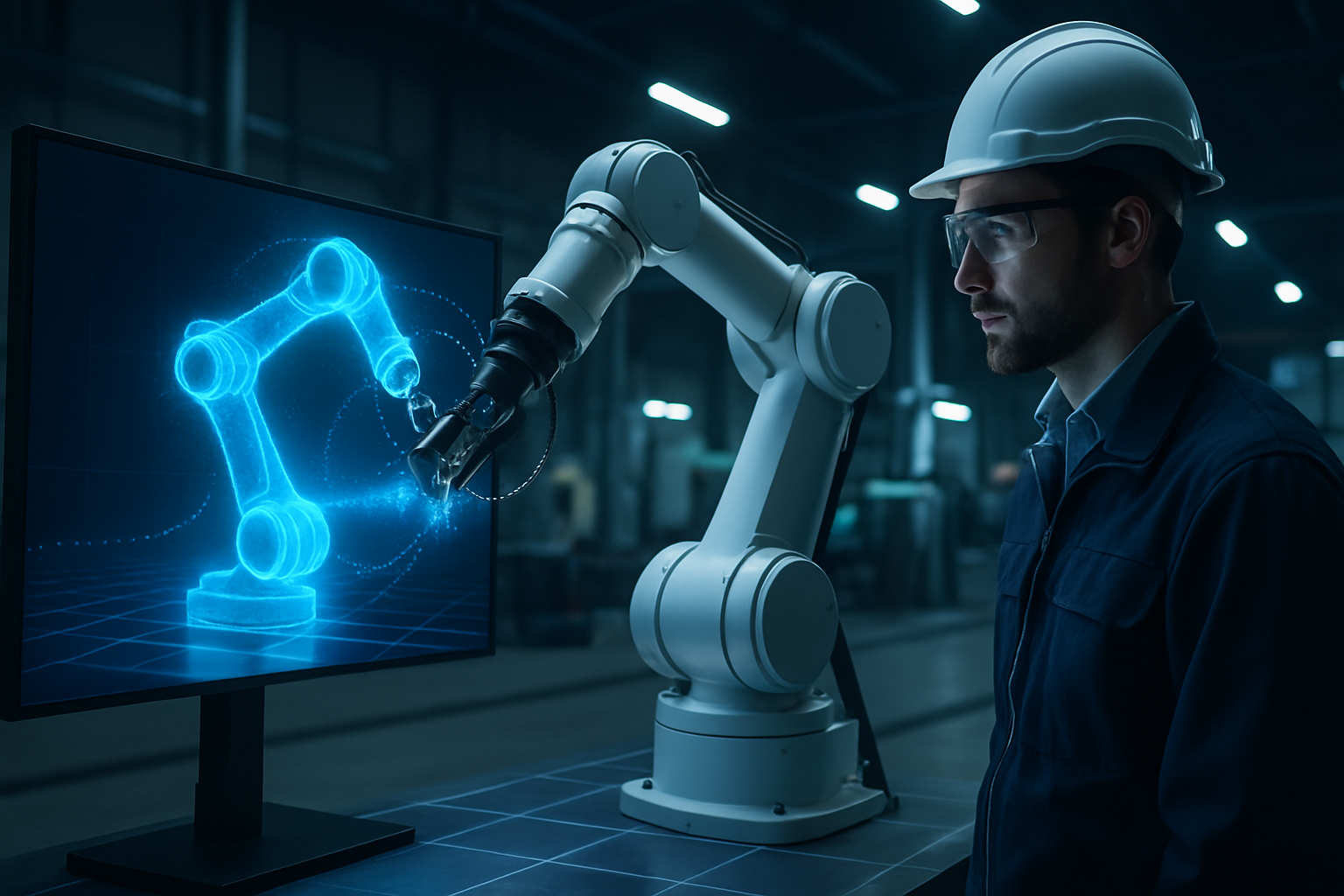
이 간극을 메우기 위한 핵심 전략으로 디지털 트윈 환경을 활용한 가상 검증이 주목받고 있습니다. 로봇을 실제 공장이나 물류 창고에 투입하기 전에, 현실과 똑같은 가상 공간에서 먼저 훈련시키는 것입니다. 최근 엔씨소프트의 AI 전문 자회사 NC AI와 로보틱스 기업 씨메스로보틱스의 기술 협력은 이러한 흐름을 잘 보여줍니다. 이들의 목표는 씨메스로보틱스가 산업 현장에서 축적한 실제 로봇 운영 데이터로 정교한 시뮬레이션 환경을 구축하고, NC AI의 AI 기술로 그 안에서 로봇을 고도화하는 것입니다. 이는 로봇의 움직임, 충돌 가능성, 작업 효율성 등 모든 시나리오를 사전에 점검하고 최적의 해법을 찾는 과정입니다.
가상 환경에서의 훈련이 중요한 이유는 비용과 안전, 그리고 시간의 제약을 극복할 수 있기 때문입니다. 수만 번의 반복 테스트 과정에서 발생할 수 있는 물리적 충돌이나 고장을 가상 공간에서는 아무런 손실 없이 시도할 수 있습니다. 또한 현실에서는 몇 달이 걸릴 학습 데이터를 단 몇 시간 만에 생성하여 로봇의 지능을 빠르게 끌어올릴 수 있습니다. 이렇게 가상에서 충분한 학습을 마친 로봇은 실제 현장에 투입되었을 때 훨씬 높은 작업 성공률과 안정성을 보입니다. 나아가 현장에서 발생하는 새로운 데이터를 다시 가상 환경에 반영해 AI 모델을 지속적으로 업데이트하는 선순환 구조는 로봇이 스스로 발전하는 기반이 됩니다.
이러한 기술의 발전은 로보월드, 로보테크쇼 같은 로봇 박람회의 경험을 바꿀 잠재력을 지니고 있습니다. 관람객들은 더 이상 단순히 움직이는 로봇을 구경하는 데 그치지 않고, 로봇이 디지털 트윈 속에서 어떻게 학습하고 문제를 해결하는지 직접 확인하는 체험을 할 수 있습니다. 가상과 현실을 오가며 데이터를 축적하고 똑똑해지는 로봇의 모습을 시각적으로 구현한 전시 부스는 기술의 가치를 직관적으로 전달하는 강력한 마케팅 도구가 됩니다. 전시회는 이처럼 새로운 기술이 산업 생태계와 만나 비즈니스 기회를 창출하고, 다양한 기업 간의 협력을 촉진하는 중요한 교차점 역할을 합니다.
궁극적으로 피지컬 AI와 디지털 트윈의 결합은 인간과 로봇이 더욱 안전하고 효율적으로 협업하는 미래를 앞당깁니다. 로봇이 우리 삶과 산업에 더 깊숙이 들어올수록, 보이지 않는 곳에서 이루어지는 수많은 가상 검증의 가치는 더욱 커질 것입니다. 로봇이나 AI 기술을 활용한 전시 부스나 새로운 방식의 체험 공간 구성을 고민하고 있다면, 다년간 로보월드와 AI EXPO 등 국내 대표 기술 전시회 부스 기획 및 제작 경험을 보유한 플라츠랩(platzlab.com)과 상담하여 아이디어를 현실로 만들 수 있습니다.

English
In an era where robots are entering our physical spaces to interact with humans and perform complex tasks, Physical AI technology is reshaping industrial landscapes. Physical AI refers to robotic intelligence that goes beyond simple data processing to perceive, reason, and act within the real physical world. However, even a robot that operates perfectly in a virtual world can often falter when faced with the countless variables of reality. This is due to the complexities that are difficult to predict with digital data alone, such as subtle changes in lighting, unexpected obstacles, or component wear. This so-called “sim-to-real gap” has long been a challenge for the commercialization of robots.
To bridge this gap, virtual commissioning using digital twin environments is gaining attention as a key strategy. This involves training robots in a virtual space that is identical to the real world before deploying them in actual factories or logistics centers. A recent technology partnership between NC AI, the AI-focused subsidiary of NCSOFT, and robotics company CMES Robotics exemplifies this trend. Their goal is to build a sophisticated simulation environment using actual robot operational data accumulated by CMES Robotics from industrial sites, and then to enhance the robots within that environment using NC AI’s AI technology. This process involves pre-checking all scenarios, including robot movements, collision possibilities, and operational efficiency, to find the optimal solution.
The importance of training in a virtual environment lies in its ability to overcome constraints of cost, safety, and time. Physical collisions or malfunctions that could occur during tens of thousands of repetitive tests can be attempted in virtual space without any loss. Furthermore, learning data that would take months to acquire in reality can be generated in just a few hours, rapidly enhancing the robot’s intelligence. Robots that have undergone sufficient virtual training exhibit a much higher success rate and stability when deployed in the field. Moreover, a virtuous cycle where new data from the field is fed back into the virtual environment to continuously update the AI model provides a foundation for the robot’s self-improvement.
This technological advancement has the potential to transform the experience at robot exhibitions like Roboworld or Robotec Show. Visitors can go beyond merely observing moving robots and can now have an experience where they witness firsthand how robots learn and solve problems within a digital twin. An exhibition booth that visually represents a robot accumulating data and becoming smarter by moving between virtual and real worlds becomes a powerful marketing tool that intuitively communicates the value of the technology. Exhibitions thus serve as crucial intersections where new technologies meet the industrial ecosystem, creating business opportunities and fostering collaborations among various companies.
Ultimately, the combination of Physical AI and digital twins accelerates a future where humans and robots collaborate more safely and efficiently. As robots become more integrated into our lives and industries, the value of the countless virtual verifications performed behind the scenes will only grow. If you are considering creating an exhibition booth or an innovative experiential space featuring robot or AI technology, you can turn your ideas into reality by consulting with platzlab.com, which has years of experience in planning and producing booths for major domestic tech shows like Roboworld and AI EXPO.
로봇·디지털트윈 행사 일정
본 글은 아래 원문 기사와 공개 자료를 바탕으로 작성되었습니다. 원문 이미지의 저작권 보호를 위해 해당 이미지는 본문에 직접 게재하지 않았습니다.
댓글 남기기