
한국어
로봇 자동화 라인을 구축하는 것은 더 이상 단순한 기계 설비 도입이 아니다. 수십억 원의 투자가 따르는 이 과정은 성공 시 막대한 효율성 증대를 약속하지만, 실패는 곧 기회비용의 상실과 생산성 차질로 이어진다. 만약 로봇이 실제 공장에 설치되기 전에, 심지어 공장 건물이 지어지기도 전에 모든 운영 시나리오를 가상으로 테스트하고 최적화할 수 있다면 어떨까. 이 상상에 가까웠던 질문이 ‘피지컬 AI(Physical AI)’와 결합된 디지털트윈 기술을 통해 현실이 되고 있다. 피지컬 AI는 단순히 데이터를 분석하는 것을 넘어, 물리적 세계를 인지하고 상호작용하는 로봇과 같은 에이전트에 지능을 부여하는 개념이다.
최근 로봇 시뮬레이션 기술은 AI의 발전과 함께 비약적인 도약을 이루었다. 엔비디아(NVIDIA)가 최근 공개한 아이작 심(Isaac Sim) 플랫폼의 새로운 기능들은 이러한 흐름을 명확히 보여준다. 과거의 시뮬레이션이 로봇의 동작 경로를 검증하는 수준에 머물렀다면, 이제는 현실과 거의 구분이 불가능한 가상 환경, 즉 디지털트윈 안에서 AI 모델 자체가 훈련된다. AI 에이전트는 이 가상 세계에서 수천, 수만 번의 시행착오를 겪으며 스스로 학습한다. 이 과정에서 생성된 방대한 양의 ‘합성 데이터(Synthetic Data)’는 실제 세계에서는 수집하기 어려운 희귀하거나 위험한 상황까지 AI에게 학습시켜, 로봇이 현실에서 마주할 변수에 대한 대응 능력을 극대화한다. 현실의 물리 법칙을 거의 완벽하게 따르는 이 가상 훈련장을 거친 로봇은 실제 현장에 투입되었을 때 발생하는 시뮬레이션과 현실의 격차, 즉 ‘Sim-to-Real’ 격차를 최소화할 수 있다.
이러한 기술적 진보는 ‘가상 커미셔닝(Virtual Commissioning)’이라는 새로운 산업 표준을 제시한다. 가상 커미셔닝은 공장 전체, 혹은 물류창고 전체를 디지털트윈으로 구축하고, 수백 대의 로봇과 설비, 제어 시스템(PLC)까지 모두 가상으로 연동해 운영을 검증하는 과정이다. 이를 통해 실제 하드웨어를 설치하기 전에 병목 현상을 예측하고, 로봇 간의 충돌을 방지하며, 최적의 동선을 찾아낼 수 있다. 물리적인 테스트 과정에서 발생할 수 있는 시간과 비용, 안전 문제를 원천적으로 제거하는 것이다. 이는 단순히 비용을 절감하는 차원을 넘어, 제품 생산까지 걸리는 시간을 단축하고 시장 변화에 민첩하게 대응할 수 있는 경쟁력으로 직결된다. 로봇의 운영 경험(Robot Experience) 자체가 물리적 공간이 아닌 디지털 공간에서 먼저 완성되는 셈이다.
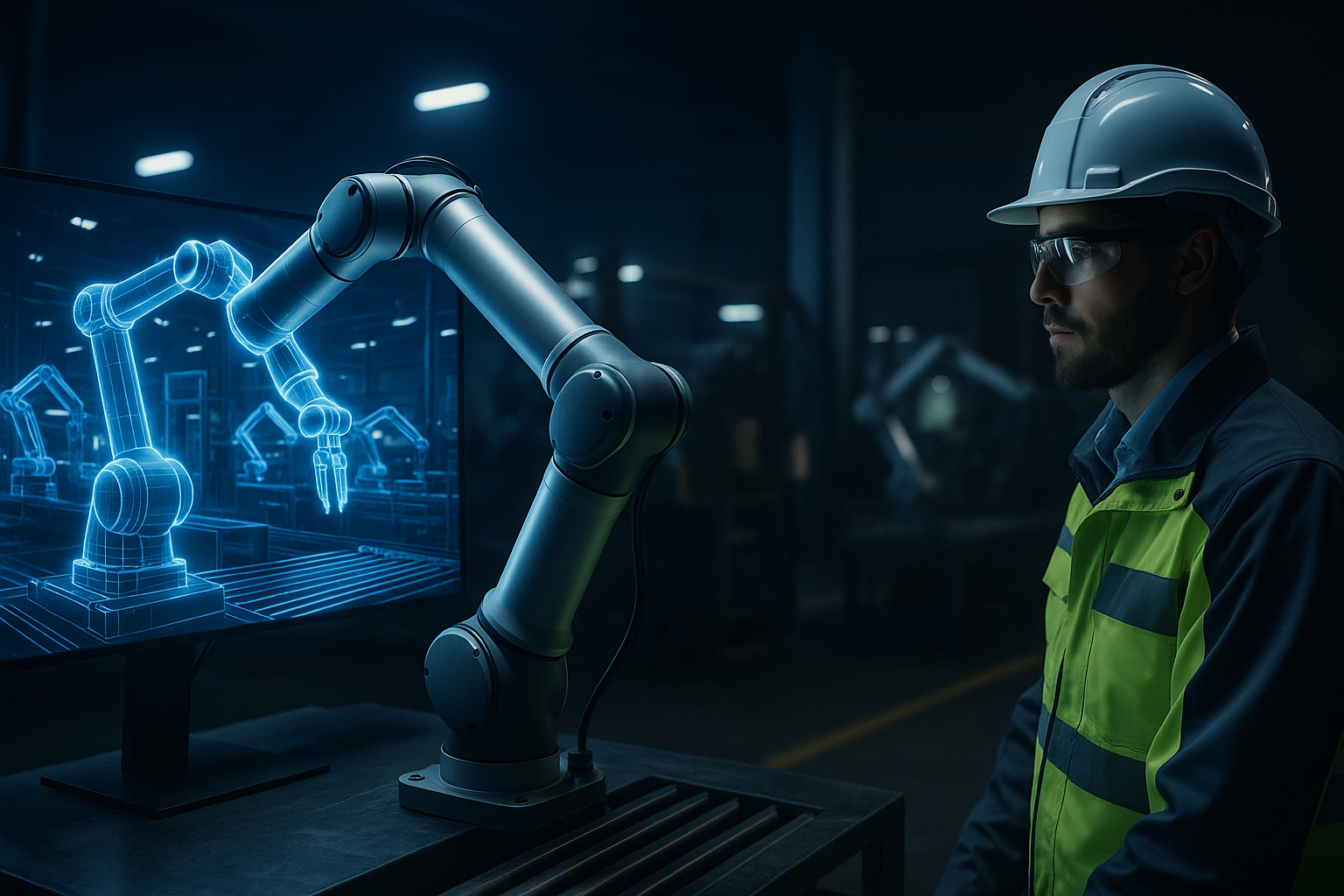
이처럼 눈에 보이지 않는 시뮬레이션과 검증의 과정은 그 자체로 강력한 경험 콘텐츠가 될 수 있다. 예를 들어, 로봇 관련 기술 전시회에서 한쪽에는 실제 로봇 팔을, 다른 한쪽에는 그 움직임을 실시간으로 제어하고 있는 디지털트윈 환경을 대형 스크린에 함께 보여주는 공간을 상상해 볼 수 있다. 관람객이 가상 환경에 장애물을 놓으면 실제 로봇이 즉시 반응하여 멈추거나 경로를 우회하는 모습을 보여줌으로써, Sim-to-Real 기술의 신뢰성과 안정성을 직관적으로 증명하는 것이다. 이러한 경험은 기술의 작동 원리를 설명하는 것을 넘어, 잠재 고객에게 도입 효과에 대한 확신을 심어준다. AI EXPO나 로보월드 같은 전시회는 이처럼 새로운 기술이 산업 생태계와 만나 비즈니스로 구체화되는 중요한 거점 역할을 한다.
궁극적으로 피지컬 AI와 디지털트윈 기술은 미래 산업의 청사진을 미리 그려보고 수정할 수 있는 가장 강력한 도구다. 휴머노이드 로봇이 복잡한 비정형 환경에서 작업을 수행하기 위해서도 이러한 가상 훈련 과정은 필수적이다. 기술이 고도화될수록, 그 복잡한 가치를 잠재 고객과 파트너에게 어떻게 효과적으로 전달하고 경험시킬 것인가에 대한 고민이 중요해질 수밖에 없다. 로봇이나 AI 기술의 원리를 직관적으로 보여주는 전시 부스나 체험 공간 제작을 검토 중이라면, 플라츠랩(platzlab.com)과 같은 공간 경험 디자인 파트너와 논의해 볼 수 있다. 로보테크쇼, 로보월드, AI 엑스포 등 국내 주요 로봇 및 AI 관련 전시회 부스를 기획하고 성공적으로 구축한 경험을 통해 기술의 가치를 가장 효과적인 공간 언어로 번역하는 데 도움을 줄 수 있을 것이다.

English
Deploying a robotic automation line is no longer a simple matter of installing machinery. It’s a multi-million dollar investment that promises immense efficiency gains if successful, but risks significant opportunity costs and production disruptions if it fails. What if you could virtually test and optimize every operational scenario before a single robot is installed on the factory floor, or even before the building is constructed? This once-imaginary question is becoming reality through digital twin technology combined with Physical AI. Physical AI moves beyond mere data analysis, embedding intelligence into agents like robots that perceive and interact with the physical world.
Recent advancements in AI have propelled robot simulation technology to new heights. NVIDIA’s latest updates to its Isaac Sim platform are a clear indicator of this trend. While past simulations were largely limited to verifying a robot’s motion path, today’s AI models are being trained within digital twins—virtual environments nearly indistinguishable from reality. In this virtual world, an AI agent can learn on its own through thousands or even millions of trial-and-error cycles. The vast amount of “synthetic data” generated in this process allows the AI to learn from rare or dangerous situations that would be impractical to collect in the real world, maximizing the robot’s ability to handle unexpected variables. After training in this virtual proving ground that almost perfectly mimics the laws of physics, a robot can be deployed to the real world with a minimal “Sim-to-Real” gap.
This technological progress is establishing a new industry standard: Virtual Commissioning. Virtual commissioning involves creating a digital twin of an entire factory or logistics center, connecting hundreds of robots, equipment, and even programmable logic controllers (PLCs) to validate operations in a completely virtual space. This allows engineers to predict bottlenecks, prevent robot collisions, and optimize workflows long before any physical hardware is installed. It fundamentally eliminates the time, cost, and safety risks associated with physical trial-and-error. This goes beyond mere cost savings; it shortens time-to-market and provides the agility to respond quickly to market changes. The Robot Experience (RX) itself is being perfected first in the digital domain, not the physical one.
This invisible process of simulation and validation can be transformed into a powerful experiential narrative. Imagine an exhibit at a robotics trade show featuring a physical robot arm on one side and a large screen on the other, displaying the digital twin environment that controls its every move in real time. When a visitor places a virtual obstacle in the path of the digital robot, the physical robot instantly reacts, stopping or rerouting its path. This kind of interactive display intuitively demonstrates the reliability and stability of Sim-to-Real technology, moving beyond technical explanation to instill genuine confidence in potential customers. Events like AI EXPO or RoboWorld serve as critical hubs where these new technologies connect with the industrial ecosystem to become concrete business opportunities.
Ultimately, Physical AI and digital twin technologies are the most powerful tools available for designing and refining the blueprint of future industries. This virtual training process is also essential for enabling humanoid robots to perform complex tasks in unstructured environments. As technology becomes more sophisticated, the challenge of how to effectively communicate and demonstrate its complex value to potential clients and partners will only grow. If you are considering creating an exhibition booth or an experiential space to intuitively showcase the principles of robot and AI technology, a discussion with a spatial experience design partner like Platzlab (platzlab.com) could be invaluable. With a track record of planning and successfully executing booths for major domestic robotics and AI exhibitions such as Robotech Show, RoboWorld, and AI EXPO, they can help translate the value of your technology into the most effective spatial language.
로봇·디지털트윈 행사 일정
본 글은 아래 원문 기사와 공개 자료를 바탕으로 작성되었습니다. 원문 이미지의 저작권 보호를 위해 해당 이미지는 본문에 직접 게재하지 않았습니다.
댓글 남기기