
한국어
로봇이 우리의 물리적 공간에 자연스럽게 통합되기 전, 로봇 스스로 먼저 거쳐야 할 특별한 공간 경험이 있다면 어떤 모습일까. 최근 중국 상하이에 설립된 대규모 휴머노이드 로봇 훈련 시설은 이 질문에 대한 구체적인 답을 제시한다. 이곳은 단순히 로봇을 테스트하는 장소를 넘어, 수많은 제조사의 다양한 로봇들이 한데 모여 실제 세계의 과업을 학습하는 ‘로봇들의 학교’이다. 이 시설의 등장은 로봇 경험(RX)의 패러다임이 하드웨어 성능 경쟁에서 로봇의 지능과 행동 데이터를 축적하는 운영형 경험 설계로 전환되고 있음을 시사한다.
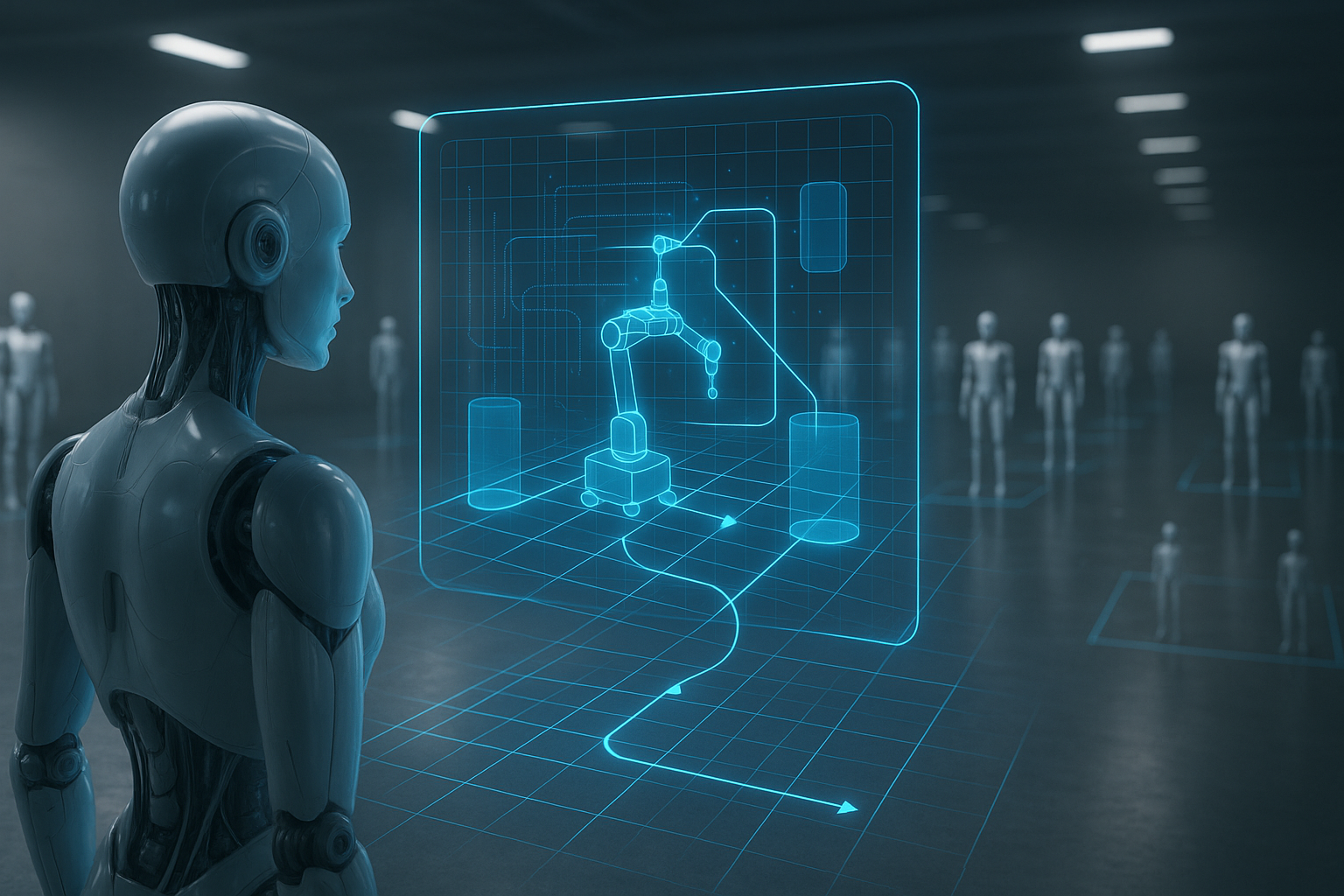
이 훈련소의 핵심은 가상과 현실을 잇는 ‘심투리얼(Sim-to-Real)’ 기술을 산업적 규모로 구현했다는 점에 있다. 가상현실(VR) 헤드셋을 착용한 인간 조종사가 특정 동작을 반복하면, 그 데이터가 로봇의 디지털트윈에 축적되어 수많은 로봇이 동시에 학습하는 기반이 된다. 이는 로봇 한 대를 개별적으로 프로그래밍하던 기존 방식에서 벗어나, 표준화된 커리큘럼을 통해 다양한 로봇들이 공유 가능한 ‘경험 데이터’를 양산하는 데이터 파이프라인을 구축한 것이다. 이는 로봇이 실제 공장, 상점, 가정에 투입되기 전, 수많은 시행착오를 겪으며 동선과 상호작용을 검증하는 가상 커미셔닝(Virtual Commissioning)의 물리적 구현체와 같다.
이러한 접근은 브랜드가 고객에게 제공하는 로봇 경험의 질을 근본적으로 바꿀 수 있다. 예를 들어, 호텔에서 고객을 응대하는 안내 로봇은 투입 전 훈련 시설에서 수천 번의 가상 체크인 시나리오를 경험한다. 매장의 진열을 돕는 로봇은 디지털트윈 환경에서 수만 가지 상품 배치 시뮬레이션을 거쳐 최적의 경로를 학습한다. 로봇의 움직임이 더 이상 어색한 기계의 동작이 아닌, 특정 공간의 맥락을 이해하고 예측 가능한 서비스를 제공하는 전문가의 동선으로 느껴지는 것이다. 이 훈련 시설은 바로 그 ‘전문성’이 탄생하는 공간적 경험의 장이다.
결국 로봇의 지능은 얼마나 많은, 그리고 얼마나 다양한 양질의 데이터를 학습했는지에 따라 결정된다. 상하이의 로봇 아카데미는 피지컬 AI(Physical AI) 시대의 도래를 알리는 상징적 공간이다. 이곳은 로봇이 인간의 세계로 들어오기 위한 준비를 마치는 곳이자, 디지털 지능이 물리적 경험으로 전환되는 중요한 관문이다. 미래의 공간 경험 디자인은 인간뿐만 아니라, 우리와 공간을 공유할 로봇의 학습과 적응 과정까지 고려하는 방향으로 확장될 것이며, 이 훈련 시설은 그 미래를 현실로 앞당기는 구체적인 청사진이다.

English
Before a robot can seamlessly integrate into our physical spaces, what kind of spatial experience must it first undergo itself? A new, large-scale humanoid robot training facility in Shanghai offers a concrete answer to this question. This is more than just a testing ground; it is an “academy for robots,” where various models from numerous manufacturers gather to learn real-world tasks. The emergence of this facility signals a paradigm shift in Robot Experience (RX)—moving from a competition based on hardware specifications to the design of operational experiences focused on accumulating intelligence and behavioral data.
The core of this training center lies in its industrial-scale implementation of “Sim-to-Real” technology, bridging the virtual and physical worlds. Human operators in VR headsets repeatedly perform specific actions, and this motion data is collected to train countless robots simultaneously. This marks a departure from individually programming each robot. Instead, it establishes a data pipeline that mass-produces shareable “experience data” through a standardized curriculum, creating a foundation for Physical AI. The facility is essentially a physical manifestation of virtual commissioning, where robots undergo countless trials to verify movements and interactions before deployment in actual factories, stores, or homes.
This approach can fundamentally change the quality of robotic experiences that brands offer to their customers. For instance, a concierge robot in a hotel would have already experienced thousands of virtual check-in scenarios at the training facility before its first real interaction. A retail robot would have learned optimal paths after running tens of thousands of product placement simulations in a digital twin environment. The robot’s movements would no longer feel like the awkward motions of a machine but rather the refined workflow of an expert that understands the context of its space and provides predictable service. This training facility is the very spatial experience where that expertise is born.
Ultimately, a robot’s intelligence is determined by the quantity and diversity of high-quality data it has learned from. The Shanghai robot academy is a symbolic space heralding the advent of the Physical AI era. It is a gateway where digital intelligence is converted into physical experience, preparing robots to enter the human world. The future of spatial experience design will expand to consider not only humans but also the learning and adaptation processes of the robots that will share our spaces. This training facility provides a tangible blueprint for that future, bringing it closer to our present reality.
로봇·디지털트윈 행사 일정
본 글은 아래 원문 기사와 공개 자료를 바탕으로 작성되었습니다. 원문 이미지의 저작권 보호를 위해 해당 이미지는 본문에 직접 게재하지 않았습니다.
댓글 남기기