로봇이 생산 현장에 투입되기 전, 모든 움직임을 가상 세계에서 미리 시험해볼 수 있다면 어떨까. 최근 산업용 로봇 제조사 화낙(FANUC)이 엔비디아(NVIDIA)와의 기술 협력을 강화하며 이 상상을 현실로 만들고 있다. 양사의 협력은 로봇 시뮬레이션 소프트웨어와 엔비디아의 옴니버스(Omniverse) 플랫폼을 긴밀히 통합해, 디지털트윈 환경에서 실제 로봇과 거의 동일한 정밀도로 움직임을 예측하고 검증하는 것을 목표로 한다. 이는 단순한 3D 모델링을 넘어, 로봇의 물리적 특성과 작업 사이클 타임까지 정확히 구현하는 ‘피지컬 AI(Physical AI)’ 시대로의 전환을 의미한다.
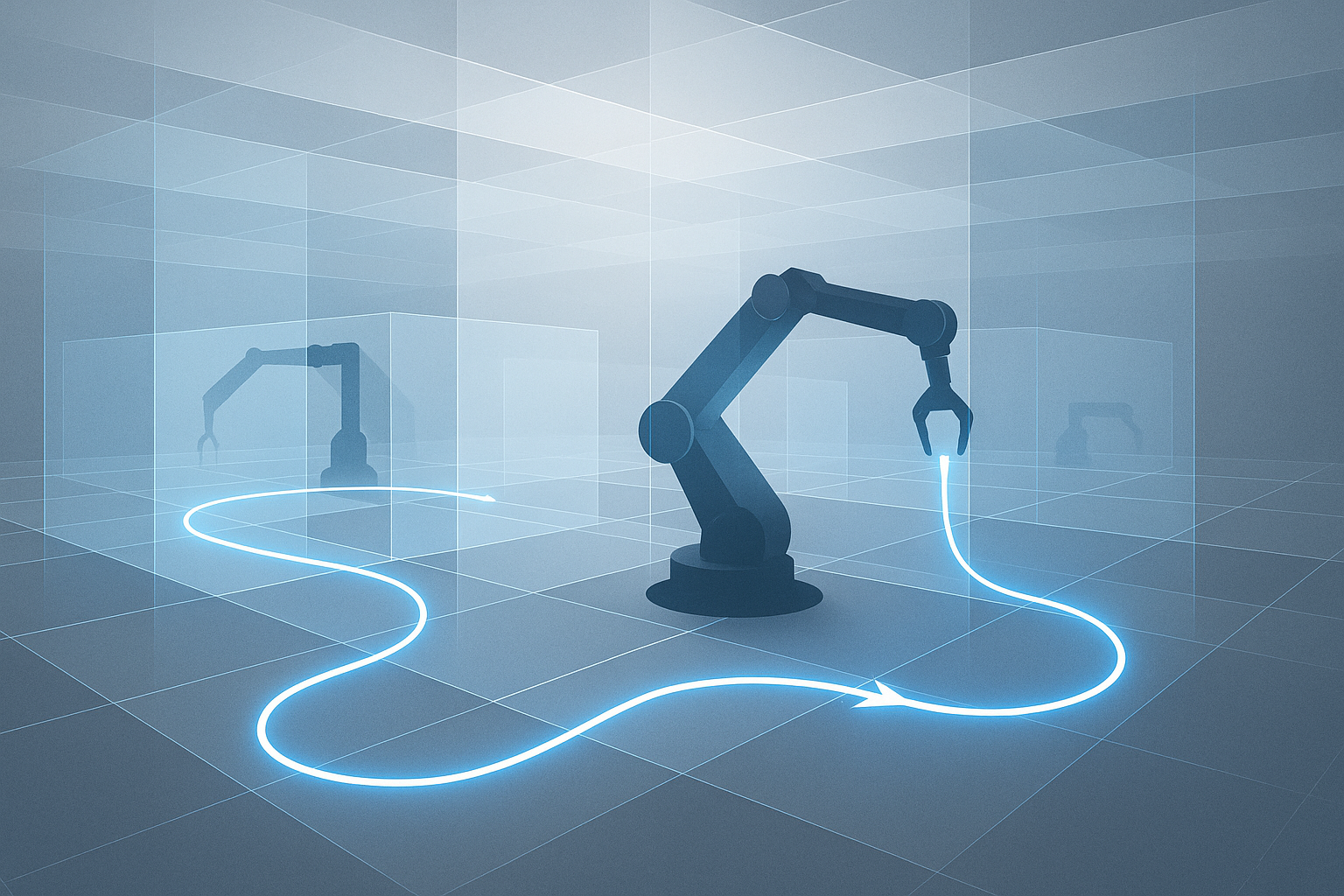
이 기술의 핵심은 가상 공간에서의 경험이 실제 현장의 결과로 직결되는 ‘심투리얼(Sim-to-Real)’의 간극을 최소화하는 데 있다. 과거에는 시뮬레이션과 실제 로봇의 움직임 사이에 오차가 존재해 현장 재조정 작업이 필수적이었다. 하지만 이제 가상 공장에서 로봇의 경로, 충돌 가능성, 협업 시나리오를 수없이 반복하며 최적의 해법을 찾을 수 있다. 제조 라인 설치 전 전체 공정을 디지털 환경에서 미리 위임하고 운영해보는 가상 커미셔닝(Virtual Commissioning)이 가능해지면서, 기업은 막대한 시간과 비용을 절감하고 잠재적 위험 요소를 사전에 제거할 수 있다.
이러한 변화는 로봇 경험(Robot Experience)의 패러다임을 바꾼다. 브랜드는 신제품 출시나 공정 변경 시 물리적 쇼룸이나 파일럿 라인을 구축하는 대신, 몰입감 높은 가상 공간에서 고객사와 엔지니어에게 새로운 로봇 솔루션을 선보일 수 있다. 방문객은 가상 환경 속에서 로봇이 어떻게 움직이고, 다른 설비와 상호작용하며, 생산성을 극대화하는지 직접 체험하고 검증할 수 있다. 이는 로봇 도입의 불확실성을 줄이고, 데이터 기반의 신뢰도 높은 의사결정을 돕는 새로운 차원의 공간 경험을 제공한다.
궁극적으로 로봇 디지털트윈 기술의 발전은 더 많은 산업 현장에 지능형 로봇 도입을 가속화할 것이다. 복잡하고 역동적인 환경에서도 로봇이 스스로 학습하고 주변 상황에 적응하는 피지컬 AI의 토대가 되기 때문이다. 가상 세계에서의 완벽한 리허설은 현실 세계의 완벽한 실행을 보장한다. 화낙과 엔비디아의 협력은 가상 공간의 경험이 어떻게 실제 산업 현장의 가치를 창출하는지를 명확히 보여주는 이정표이며, 미래의 공장이 운영될 방식을 미리 경험하게 한다.
English
What if we could test every movement of a robot in a virtual world before it is deployed on the production floor? Industrial robot manufacturer FANUC is making this a reality by strengthening its technical collaboration with NVIDIA. The partnership aims to tightly integrate FANUC’s robot simulation software with NVIDIA’s Omniverse platform, enabling the prediction and verification of robot movements in a digital twin environment with nearly the same precision as the real thing. This signifies a shift beyond simple 3D modeling to the era of Physical AI, where the physical properties and cycle times of a robot are accurately mirrored.
The core of this technology lies in minimizing the ‘Sim-to-Real’ gap, ensuring that experiences in the virtual space translate directly to results in the physical world. Previously, discrepancies between simulation and actual robot movements necessitated on-site readjustments. Now, countless iterations of robot paths, collision possibilities, and collaborative scenarios can be run in a virtual factory to find the optimal solution. Virtual commissioning, the ability to pre-validate and operate an entire process in a digital environment before line installation, allows companies to save significant time and costs while proactively eliminating potential risks.
This transformation is changing the paradigm of the Robot Experience (RX). Instead of building physical showrooms or pilot lines for new product launches or process changes, brands can now present new robotic solutions to clients and engineers in immersive virtual spaces. Visitors can directly experience and verify how robots move, interact with other equipment, and maximize productivity within this virtual setting. This provides a new level of spatial experience that reduces the uncertainty of robot adoption and facilitates reliable, data-driven decision-making.
Ultimately, the advancement of robot digital twin technology will accelerate the adoption of intelligent robots across more industries. It forms the foundation for Physical AI, where robots can learn and adapt to complex, dynamic environments on their own. A perfect rehearsal in the virtual world ensures flawless execution in the real world. The collaboration between FANUC and NVIDIA is a milestone that clearly demonstrates how virtual experiences can create tangible value on the industrial floor, offering a glimpse into how the factories of the future will be operated.


댓글 남기기